Last updated October 31, 2026
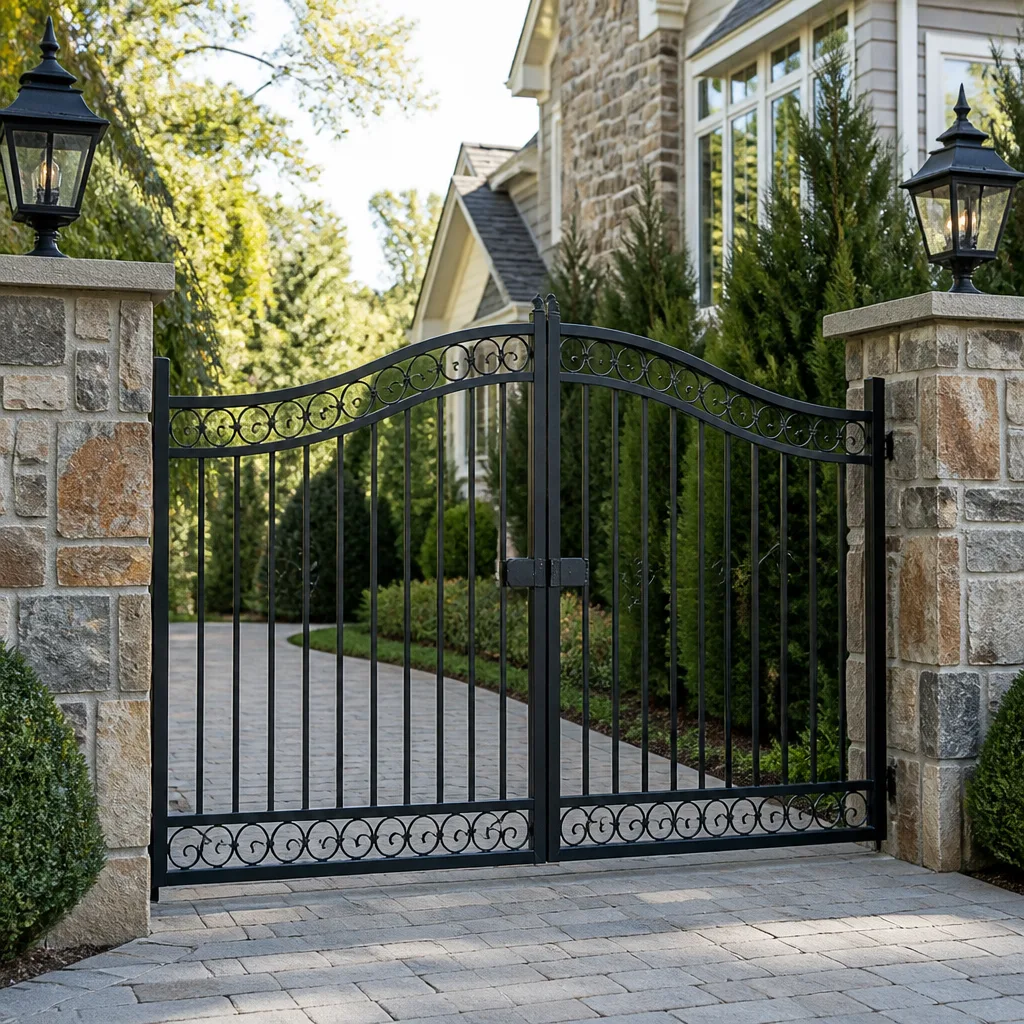 Wrought iron
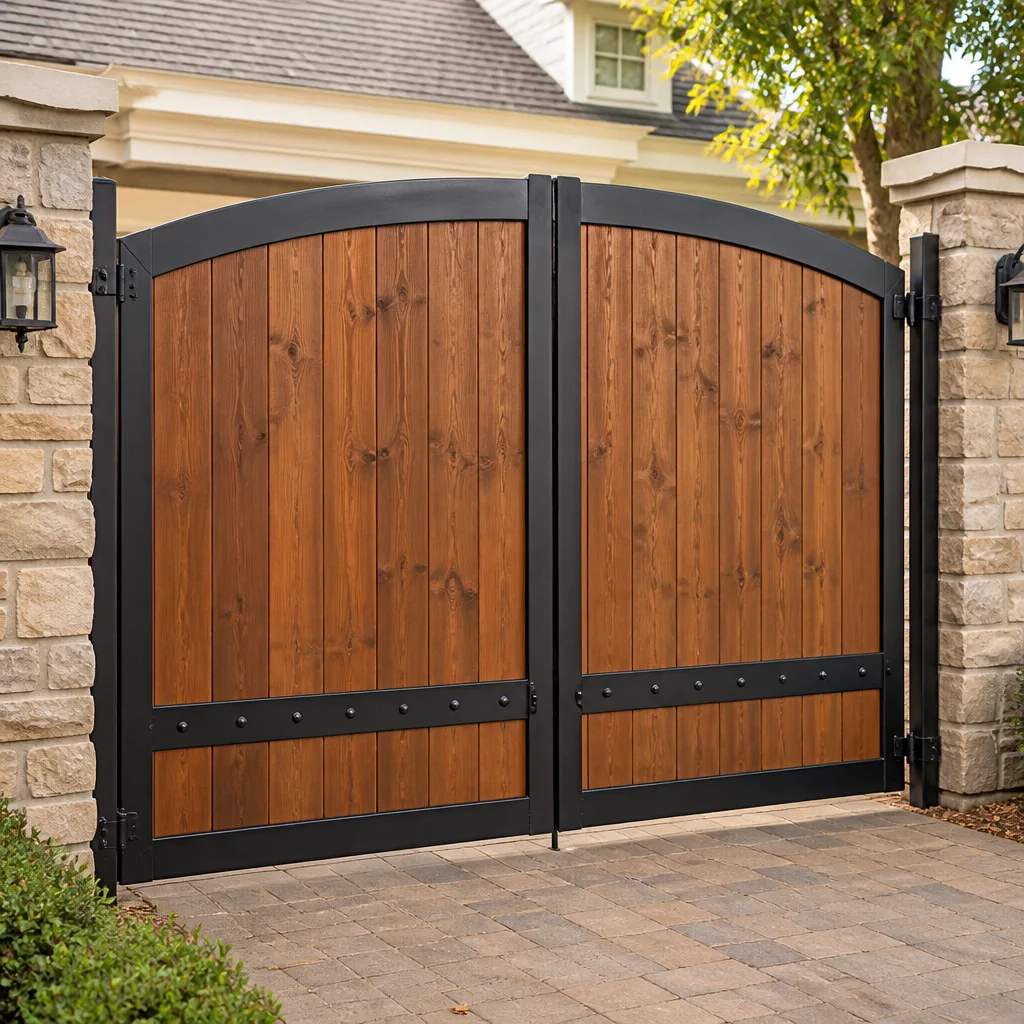 Wood & steel frame
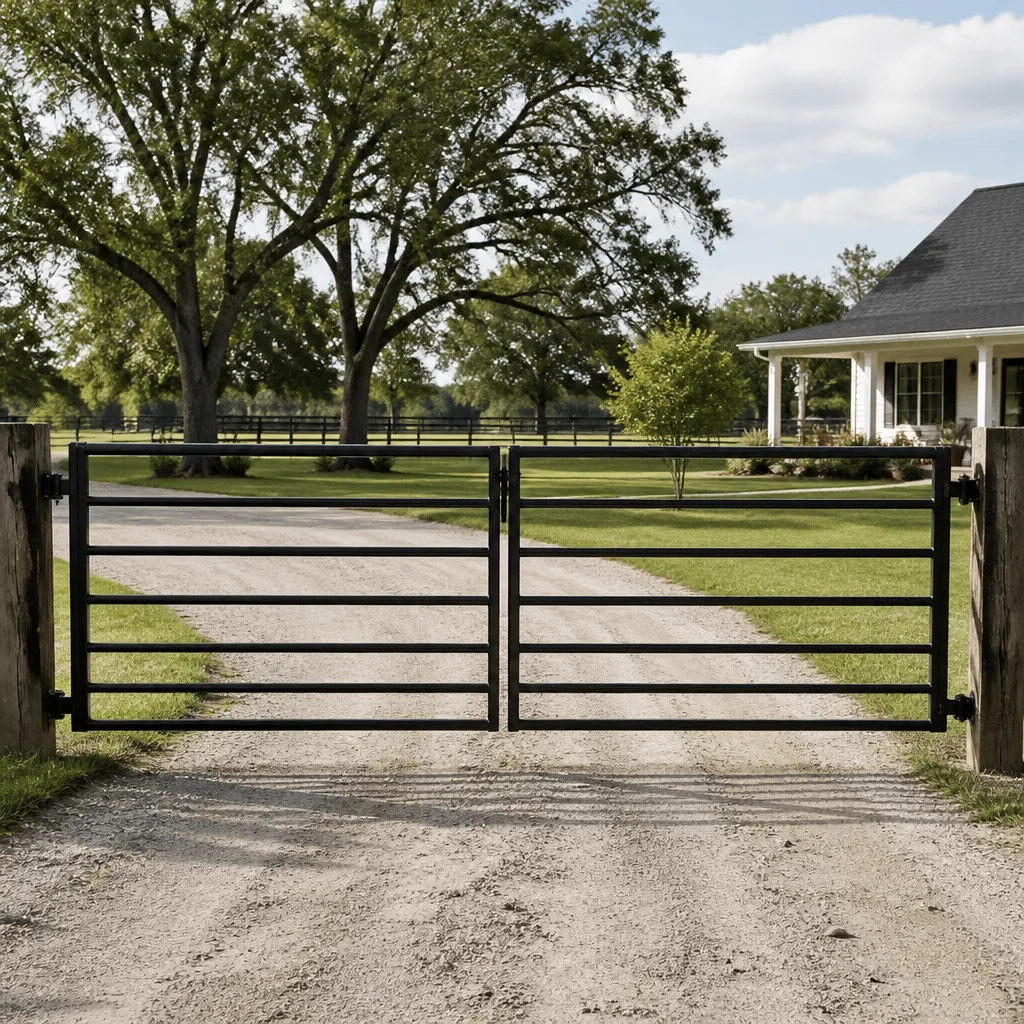 Farm & ranch
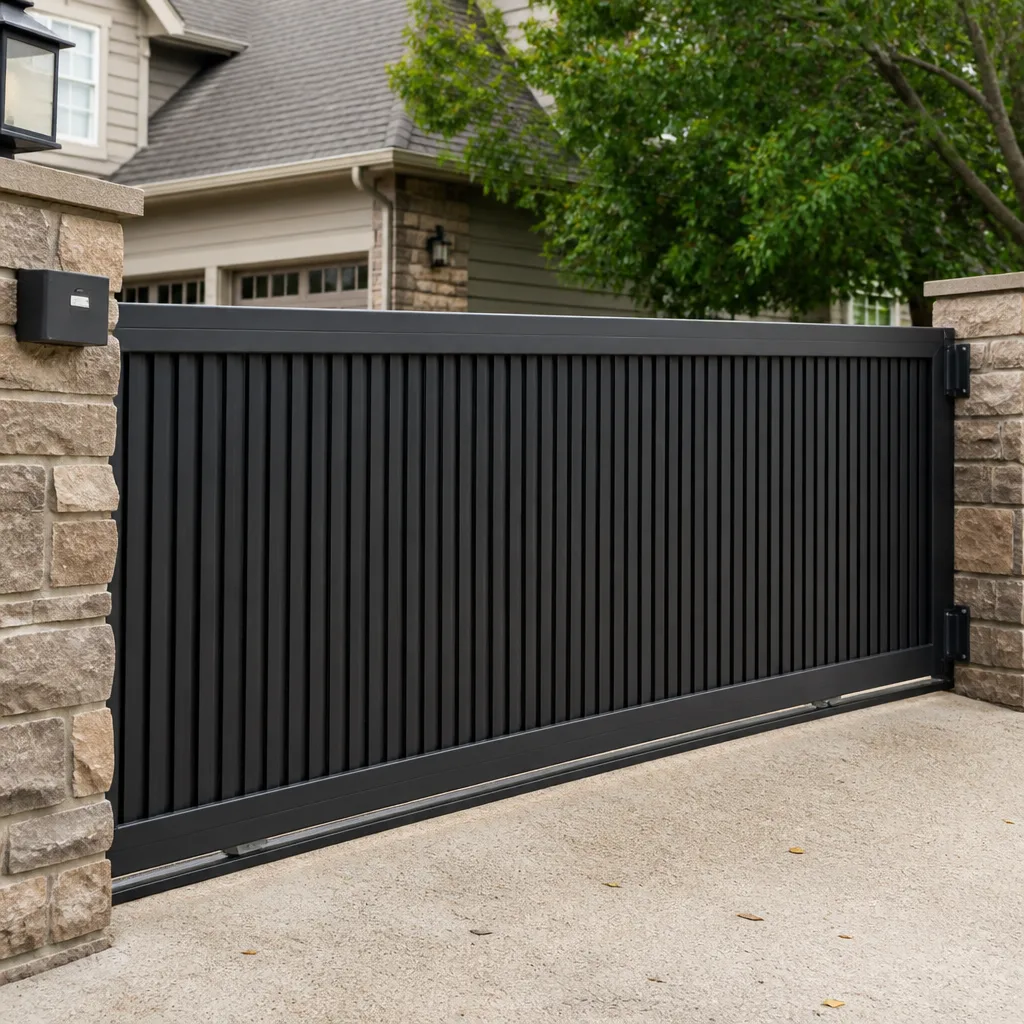 Sliding driveway gates
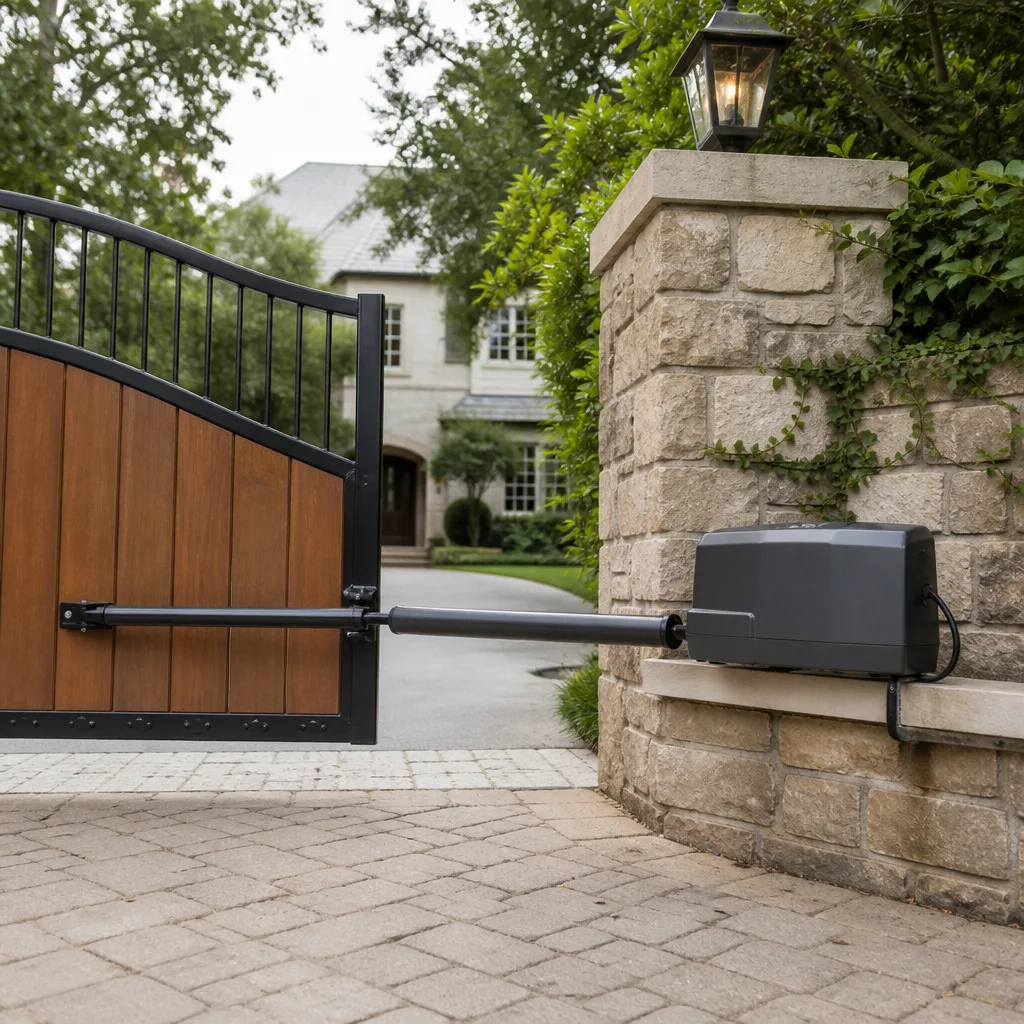 LiftMaster operators
Free on-site gate assessment - hinges, posts, and your LiftMaster or Nice gate operator checked before anything is quoted
The assessment is free and the quote is the invoice.
Get your free estimateChoosing the Right Gate Repair Brand: A Buyer’s Guide for Tampa
The gate operator brand that earns glowing reviews in a California forum might have a three-week parts lead time in Tampa and a circuit board that degrades in two years of Florida humidity. Reviews written in the wrong climate are not useful data. What matters here is how a brand’s electronics handle Tampa’s specific combination of salt air, afternoon thunderstorms, and lightning frequency, and whether any local specialist can actually service that unit five years from now. This guide evaluates gate brands through those practical lenses, not spec sheets.
Quick Answer
The best gate repair brand in Tampa is the one with strong local parts distribution, electronics built to survive Florida humidity and lightning, and serviceability by our Gate Repair services or another independent specialist rather than a proprietary dealer lock-in. In our experience across Tampa, LiftMaster, FAAC, BFT, and DoorKing consistently meet those three criteria for residential and commercial systems. Mighty Mule is acceptable for budget DIY applications but falls short on long-term serviceability.
Styles & brands we work with
Table of Contents
- Parts Availability: The Hidden Decider
- How Florida’s Climate Tests Gate Electronics
- Lightning: Tampa’s Most Underrated Gate Killer
- Serviceability: Who Can Actually Fix It in Five Years?
- Warranty Fine Print: What’s Actually Covered in Florida
- Matching Brand to Gate Configuration
- Brand-by-Brand Breakdown for Tampa Buyers
- Common Mistakes to Avoid
- When to Call a Professional
- Frequently Asked Questions
Parts Availability: The Hidden Decider
Ask any gate technician in Tampa what separates a two-day repair from a two-week repair, and the answer is almost never skill. It’s parts. A control board for a LiftMaster LA400 can be sourced from a distributor in the Tampa Bay area same day or next morning in most cases. A proprietary board for a lesser-known brand that sells mostly online may require a factory order with a five-to-ten business day lead time, sometimes longer if the manufacturer warehouses on the West Coast.
When your gate is stuck open, that difference is not academic. A driveway gate stuck open in a Tampa neighborhood means your property is exposed. For a commercial property, a gate down for two weeks can mean security guards posted at the entrance, tenants frustrated, and real operational cost. Parts availability is not a footnote in brand selection. It is arguably the most important criterion in this market.
Brands with strong Tampa-area parts distribution:
- LiftMaster: Multiple authorized distributors serve the Tampa Bay area. Control boards, limit switches, and remotes are routinely stocked. Even less common components like gear kits and transformer assemblies typically arrive within one to two business days.
- FAAC: Strong distribution through commercial access-control suppliers with Tampa warehouses. FAAC’s 400 and 700 series operators are common in Florida commercial settings, which means distributors stock parts knowing the climate here destroys boards at a predictable rate.
- DoorKing: DoorKing has maintained a long-standing presence in Florida’s commercial gate market. Their parts distribution network is mature, and independent technicians can source boards, loop detectors, and keypad components without dealer restrictions.
- BFT: Growing distribution in Florida. Parts availability is generally good for current models, though some older-model components lag.
Brands with longer lead times:
- Mighty Mule: Primarily a consumer-direct brand. Parts are ordered online and shipped. When a Mighty Mule control board fails, the repair often means waiting for a package rather than pulling a board from local stock.
- Ghost Controls: Similar situation. Quality hardware for the DIY market, but local parts inventory is thin. If a technician doesn’t have the part on the truck, the timeline stretches.
- Viking: Commercial-grade equipment with solid engineering, but parts distribution in Tampa is more limited than LiftMaster or DoorKing. Expect factory orders for non-stock items.
Before choosing a brand, ask any prospective installer or repair company one direct question: “If the control board fails, where does the replacement come from and how long does it take?” If they can’t answer that with a specific distributor name and timeline, you’re gambling.
How Florida’s Climate Tests Gate Electronics
Tampa’s climate is not kind to gate electronics. The combination of 70-plus percent average humidity, salt-laden air within several miles of Tampa Bay, temperatures that push past 90 degrees for months at a stretch, and intense UV exposure creates a harsh operating environment. Gate operators installed in Phoenix or Denver simply don’t face the same degradation curve.
What actually fails in Florida:
- Control boards: Humidity accelerates corrosion on solder joints and connectors. A board that lasts ten years in a dry climate may fail in five to seven years here. Brands that conformal-coat their boards fare better. LiftMaster and FAAC both apply protective coatings to commercial boards. Budget consumer boards often skip this step.
- Limit switches: These mechanical components are vulnerable to corrosion, especially on gate operators mounted near coastal areas where salt spray reaches inland for several miles. Sealed limit switch housings are a meaningful differentiator.
- Battery backups: Heat kills batteries faster. A battery backup rated for three to five years in a moderate climate may need replacement in two to three years in Tampa’s summer heat. This applies across all brands.
- Capacitors: The electrolytic capacitors that smooth power to motors degrade faster in sustained heat. This is one reason motor issues become more common as operators age past the five-year mark.
- Exterior keypads and intercoms: UV light fades plastics and degrades rubber seals. Units with metal enclosures and replaceable faceplates hold up better than all-plastic designs.
Brand selection should account for enclosure quality and board protection. A consumer-grade operator with a thin plastic cover and uncoated board might save you money upfront but cost a full replacement within a few years. In our experience across Tampa, we regularly see consumer boards fail at the three-to-five-year mark, while commercial-grade boards from DoorKing and LiftMaster commonly pass the eight-year mark before showing symptoms. The price difference is smaller than the cost of one call-out and board replacement.
For help diagnosing issues with your current system, visit our Gate Repair in Tampa page.
Lightning: Tampa’s Most Underrated Gate Killer
Central Florida, including Tampa, records more lightning strikes per square mile than any region in the United States. The I-4 corridor from Tampa through Orlando is called “Lightning Alley” by meteorologists, and that title is earned. For gate systems, this matters in a specific way: induced surges from nearby strikes travel through power lines, phone lines, and even underground loop wires into the gate’s control board.
A direct strike is rare. The far more common scenario is a strike within a quarter to half mile that induces voltage spikes on the power feed or the safety loop circuit. The control board is usually the casualty. This is why surge protection should be part of every gate installation in Tampa, and why some brands fail more gracefully than others.
What separates brands on lightning resilience:
- Onboard surge protection: Commercial-grade boards from DoorKing and LiftMaster include basic surge suppression on power inputs. Consumer operators from Mighty Mule and Ghost Controls generally do not.
- Replaceable protection: FAAC and BFT systems often use external surge suppressors that can be swapped after a strike event. That is a repairable failure. A board without external protection becomes the sacrificial component, and board replacement is the cost.
- Loop detector isolation: Some brands isolate the safety loop input from the main board with opto-couplers or relay interfaces. This matters because a surge traveling on a buried loop wire can take out the board through an input that has no direct power connection. DoorKing and BFT handle this better than budget brands.
No gate operator brand is lightning-proof. The question is what fails when lightning hits nearby, and what it costs to fix. A $40 external surge suppressor that sacrifices itself is a far better outcome than a $400 control board. In Tampa, we strongly recommend external surge protection on every electric gate installation regardless of brand. It is cheap insurance in a region where afternoon thunderstorms are a daily summer event.
If your gate stopped working after a storm, you may have a surge-related board failure. Our Electric Gate Repair in Tampa page covers what to check and what to expect.
Serviceability: Who Can Actually Fix It in Five Years?
A gate operator brand can have excellent hardware and still be a poor choice if the local service ecosystem doesn’t support it. Serviceability means three things: whether independent technicians can access diagnostics without proprietary dealer software, whether parts are available without factory authorization, and whether multiple companies in the Tampa area actually know the brand well enough to diagnose it correctly.
Here is a practical breakdown of how brands differ on the serviceability spectrum:
- Open architecture, widely serviced: LiftMaster and DoorKing fall into this category. Standard diagnostics are accessible via onboard LEDs and simple handheld programmers. Independent technicians across Tampa know these systems well. You are not locked into one vendor.
- Mostly open, fewer specialists: FAAC and BFT are well-engineered commercial brands, but fewer independent shops in Tampa have deep experience with their control architecture. Diagnosis is possible with standard equipment, but the quality of the diagnosis depends on the technician’s familiarity. A generalist who doesn’t recognize a FAAC board on sight may waste hours guessing.
- Proprietary dealer models: Some commercial systems require manufacturer-specific diagnostic software and dealer credentials for programming changes. Elite and Viking have some systems in this category. The hardware can be excellent, but in practice this means you call the dealer when anything goes wrong, and the dealer sets the schedule and the price.
- Consumer-direct, limited support: Mighty Mule and Ghost Controls are sold through big-box retailers and online channels. Support is phone-based and mail-order. If the unit fails, the economic math often favors replacement over repair, which is not what most Tampa property owners want to hear about a three-year-old gate opener.
The serviceability factor compounds over time. A gate system that is easy to service at year one but impossible to get parts for at year seven is not a good value. We have seen Tampa homeowners with perfectly functional mechanical gate hardware who can’t find anyone willing to work on a discontinued consumer operator, because parts simply don’t exist anymore and the board is proprietary. The gate gets replaced, not because the hardware failed, but because the support ecosystem did.
That is why we recommend choosing brands with proven longevity and open serviceability. It is also why we make repair our primary service rather than pushing replacement: a repairable system is a more valuable asset than a disposable one. Learn more about our approach on the Tampa Gate Company home page.
Warranty Fine Print: What’s Actually Covered in Florida
Warranty terms are where gate brand marketing collides with hard reality. A “5-year limited warranty” sounds reassuring until you read the exclusions. In Florida’s climate, those exclusions matter more than in most places.
Warranty terms to examine before buying:
- Corrosion exclusions: Several brands specifically exclude damage caused by corrosion, rust, or salt air. In Tampa, where humidity and salt air are constants rather than exceptional conditions, that exclusion can void a warranty that looks comprehensive on the cover page. Read the fine print. If corrosion is excluded, the truth is you have no meaningful warranty on the enclosure and mechanical components in this climate.
- Lightning and surge exclusions: Nearly all brands exclude damage from lightning strikes and power surges. This is standard industry practice, but it matters more in Tampa than anywhere else in the country because of Lightning Alley. A warranty that excludes surge damage in Central Florida is a warranty with a built-in escape hatch for the most common failure mode here.
- Labor coverage: Most gate operator warranties cover parts only, not the labor to diagnose the failure and install the replacement. A board replacement covered under warranty may still cost you several hundred dollars in technician time. Ask what labor is included before weighing warranty terms as a deciding factor.
- Pro-rated coverage: Some consumer brands prorate warranty value over the term. A five-year warranty might cover 100 percent in year one, 50 percent in year three, and nothing meaningful in year five. That is not a five-year warranty in any honest sense.
- Third-party installation requirements: Some commercial brands require installation by a factory-certified technician for warranty validity. If you buy a system online and install it yourself or hire a non-certified installer, the warranty may be void from day one.
A useful framing: the warranty is not the product’s expected lifespan. It is the manufacturer’s confidence window, with exclusions written to limit their liability in the environment where you happen to live. Commercial operators from LiftMaster and DoorKing typically carry more meaningful coverage because their buyer base includes municipalities and property managers who read contracts. Consumer brands know their buyers read the headline number and stop there.
Matching Brand to Gate Configuration
No single gate brand is the right answer for every installation. The correct choice depends on gate type, weight, usage frequency, power availability, and whether the property is residential or commercial. Here’s how to match brands to the actual configuration:
Single Swing Driveway Gate (Residential)
For a typical single swing gate on a Tampa residential driveway, duty cycle is low and weight is manageable. LiftMaster’s LA400 or LA412 is a common choice, and the pricing is reasonable for homeowners. The hardware handles Florida heat adequately when properly installed with surge protection. Mighty Mule works for budget-conscious homeowners who are comfortable with DIY troubleshooting, but understand the trade-off: parts come by mail, and when the board fails, replacement is often the answer rather than repair.
Dual Swing Driveway Gate (Residential or Light Commercial)
Dual swing gates double the mechanical complexity: two operators that must be synchronized, two sets of limit switches, and the potential for wind loading issues when gates are open. BFT and FAAC both handle dual swing configurations well because their control architecture supports master-slave synchronization natively. LiftMaster also performs here. DoorKing is heavier-duty than needed for most residential dual swing gates but works well for light commercial duty.
Slide Gate (Commercial or Long Driveway)
Slide gates are the standard for commercial properties in Tampa because they don’t require open swing space and handle high usage cycles. DoorKing and FAAC dominate this category locally. DoorKing’s slide operators are known for durability in Florida’s climate, and FAAC’s hydraulic and electro-mechanical slide operators have a strong track record on commercial installations. LiftMaster’s commercial slide operators are also viable, with slightly better parts availability in Tampa than FAAC in our experience.
Heavy-Duty or High-Traffic Gates
For a gate that cycles hundreds of times per day, a consumer-grade operator will fail quickly regardless of brand. BFT and FAAC build commercial operators designed for continuous duty. DoorKing’s heavier slide models handle high cycle counts as well. Elite and Viking are also in this space, though proprietary service models are a trade-off to understand before committing to a commercial contract.
Before buying, get a site assessment from a gate specialist who can measure gate weight, check existing infrastructure like conduit and power capacity, and recommend a brand matched to the actual duty cycle. A gate that cycles 50 times daily on a busy commercial driveway is a completely different engineering problem than a gate that opens twice a day. If you’re considering a new system, explore our Gate Installation in Tampa page for details on what a proper installation includes.
Brand-by-Brand Breakdown for Tampa Buyers
This section provides a practical evaluation of the brands most commonly encountered in the Tampa market. These assessments are based on what we see in the field, not manufacturer marketing claims.
LiftMaster
LiftMaster is the default choice for many Tampa residential installations, and for good reason. Parts are everywhere. The LA400 and LA412 swing gate operators are common enough that control boards, remotes, and limit switches are stocked by local distributors. The boards are conformal-coated on the better models, which helps with humidity resistance. The brand’s weakness is that the consumer line is not built for continuous duty, so it is a poor fit for high-cycle commercial applications without stepping up to the commercial line. Overall: excellent for residential, good for light commercial, strong parts availability.
FAAC
FAAC is a European brand with a strong presence in Florida’s commercial market. Their operators are engineered for durable performance, and the 400 and 700 series have proven themselves in Tampa’s climate over many years. Parts distribution is solid for current models. The challenge is that fewer independent technicians in Tampa have deep FAAC experience compared to LiftMaster or DoorKing, so the quality of service depends heavily on who you call. Overall: excellent for commercial slide and swing applications, good parts availability, fewer specialist technicians locally.
DoorKing
DoorKing has been a fixture in Florida gate automation for decades. Their slide operators are workhorses, and their control boards handle Florida’s climate well when installed with surge protection. DoorKing’s distribution network is mature, and independent technicians in Tampa generally know these systems well. The brand’s weakness is that some older systems require proprietary programming tools, but current models are serviceable with standard equipment. Overall: strong for commercial and heavy residential, excellent serviceability, proven Tampa track record.
Mighty Mule
Mighty Mule is the DIY brand sold at home improvement stores, and it serves that market adequately for simple single swing gates. The hardware is functional for light residential use. The problem is serviceability: parts come by mail, control boards are consumables rather than repairable components, and many Tampa technicians decline to work on these because the economics don’t make sense. When a Mighty Mule fails at year three or four, a board replacement often costs enough that full replacement starts to look more attractive. Overall: acceptable for budget DIY buyers, weak long-term serviceability, not a fit for commercial use.
BFT
BFT is growing in the Tampa market and offers solid engineering, particularly for dual swing and slide gate applications on light commercial properties. Parts distribution has improved in recent years. The limitation is local familiarity: fewer technicians know BFT systems deeply, which means diagnosis can take longer and specialized repairs may route to fewer shops. Overall: good hardware, improving distribution, growing local familiarity.
Elite and Viking
These brands produce commercial-grade operators that can run for many years in heavy-duty applications. The trade-off is proprietary service infrastructure. Some models require manufacturer-specific software and dealer relationships for anything beyond basic maintenance. That is not inherently bad, but it means your service options are more limited and pricing is set by whoever holds the dealer agreement. Overall: capable hardware, restrictive service model, best for large commercial installations with service contracts in place.
Common Mistakes to Avoid
- Choosing a brand based on online reviews from other climates. A gate operator that earns five-star reviews in Arizona or Colorado has not been tested by Tampa humidity, salt air, or Lightning Alley. Reviews from Florida users, and Tampa users specifically, are the only relevant data set.
- Ignoring parts availability until the gate fails. The worst time to learn that your brand requires a three-week factory order is the day your gate stops working. Ask about parts lead times before you buy.
- Buying the cheapest operator that fits the gate. A $400 budget operator might last three years in Tampa’s climate and require replacement. A $900 commercial-grade operator might last eight to ten years. The math favors the more expensive unit in almost every case.
- Skipping external surge protection. In Tampa, this is close to negligence. Lightning-induced surges are the most common cause of gate control board failure we see, and a $40 suppressor is a fraction of the cost of a board replacement.
- Not reading the corrosion exclusion in the warranty. If the warranty excludes corrosion and salt-air damage, it is effectively void in coastal Florida from day one. Read the fine print before factoring the warranty into your decision.
- Letting a generalist install or repair a specialized gate system. A handyman or multi-trade contractor may be able to mount an operator, but diagnosing a control board fault or a loop detector issue requires focused gate experience. Every guess costs you time and money.
- Waiting until the gate fails completely before calling for service. Grinding noises, slow operation, and intermittent failures are warning signs. Addressing them early usually means a smaller repair than waiting for the final failure.
When to Call a Professional
Gate systems combine heavy moving mechanical parts, high-voltage power, and control electronics. Some problems are safe to assess yourself: a remote with a dead battery, a gate blocked by debris on the track, an obvious broken hinge. But anything involving the motor, the control board, the power supply, or the safety loops should go to a technician with gate-specific experience. High-tension springs on cantilever gates and powered operators that start unexpectedly during diagnosis pose real injury risks, and the electrical work requires proper safety protocols. If your gate is moving erratically, making unusual noises, failing intermittently, or stopped working after a storm, call a specialist. For more guides & resources on gate maintenance and troubleshooting, visit our blog. Tampa Gate Company offers free estimates in Tampa, call (866) 976-0095.
Frequently Asked Questions
For most Tampa single-family homes, LiftMaster offers the best combination of parts availability, climate durability, and serviceability in our market. FAAC and DoorKing are strong alternatives for larger or heavier gates. The right answer depends on your gate’s weight, configuration, and duty cycle, but LiftMaster is the safest default for standard residential installations.
A quality commercial-grade gate operator in Tampa typically lasts eight to twelve years with proper surge protection and maintenance, while consumer-grade units often fail at the three-to-five-year mark. Humidity and lightning are the primary aging factors here, not mechanical wear.
We service systems from nine major brands, including LiftMaster, FAAC, BFT, Linear, Viking, Ghost Controls, DoorKing, Elite, and Mighty Mule. That covers the vast majority of residential and commercial systems in the Tampa area. If your gate brand isn’t on that list, call us and we’ll tell you honestly whether the system is serviceable.
The most common cause of control board failure in Tampa is voltage surge from nearby lightning strikes, followed by long-term humidity corrosion. Both issues are preventable: surge suppressors address the first, and choosing brands with conformal-coated boards addresses the second.
That depends on the brand, age, and condition of the mechanical hardware. We repair first, and we recommend replacement only when repair isn’t the right answer. If your operator is from a brand with discontinued parts support or has suffered repeated board failures from surges, a new system may cost less over five years than continuing to patch the old one.
Gate systems are specialized. A general contractor may be able to hang a gate physically, but diagnosing control boards, safety loops, and motor faults requires focused gate experience that multi-trade shops rarely maintain. Every technician at Tampa Gate Company works on gates exclusively, which means faster diagnosis and repairs that hold up.
The Bottom Line
Choosing a gate brand in Tampa comes down to three practical questions: Can I get parts quickly when something fails? Will the electronics survive Florida’s humidity and lightning? Will an independent specialist be able to service this system five years from now? LiftMaster, DoorKing, and FAAC answer yes to all three across most applications, which is why they dominate our local repair volume. Consumer brands like Mighty Mule have their place for budget DIY installations, but understand the trade-off before you buy. The cheapest operator is rarely the cheapest five-year ownership experience in this climate. For an honest assessment of your current gate system or help choosing a replacement, call us at (866) 976-0095 for a free estimate.
Written by the team at Tampa Gate Company, serving Tampa since 2013.
See the difference
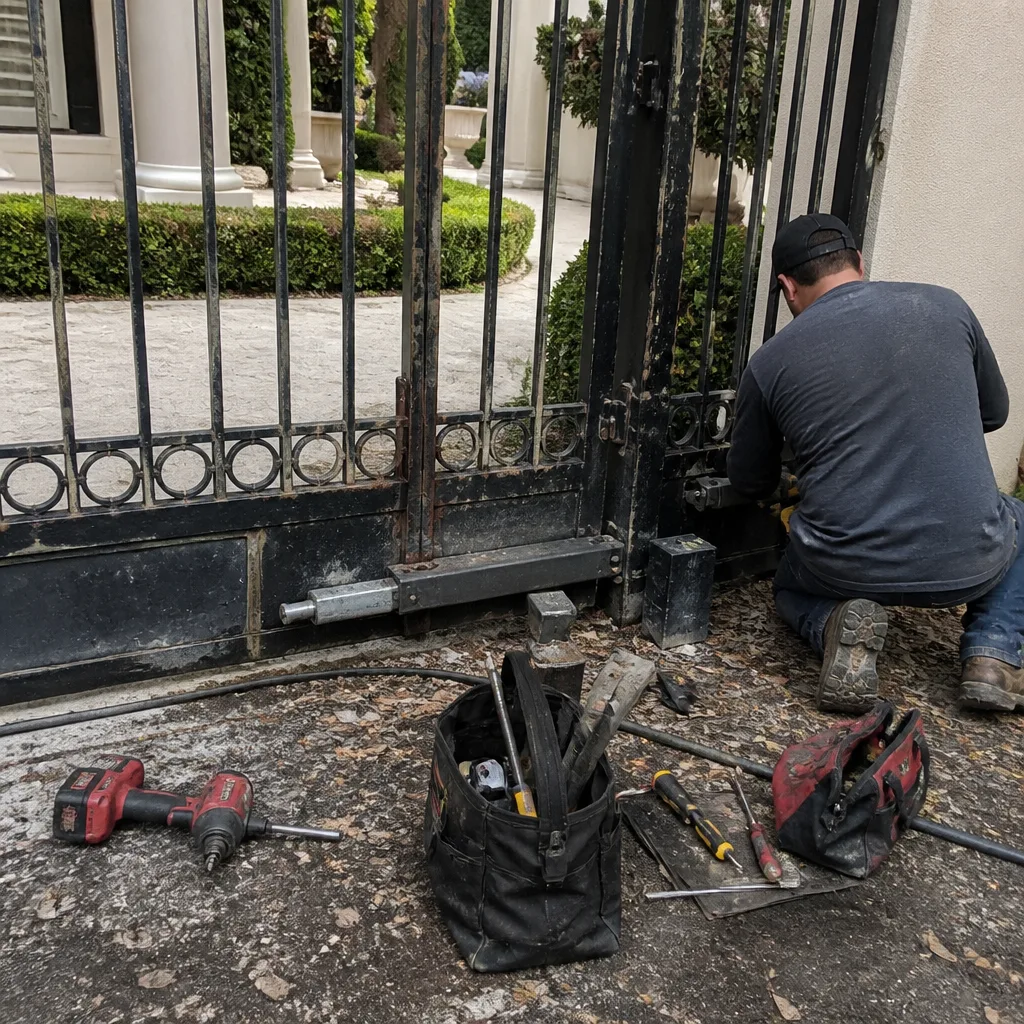 Before
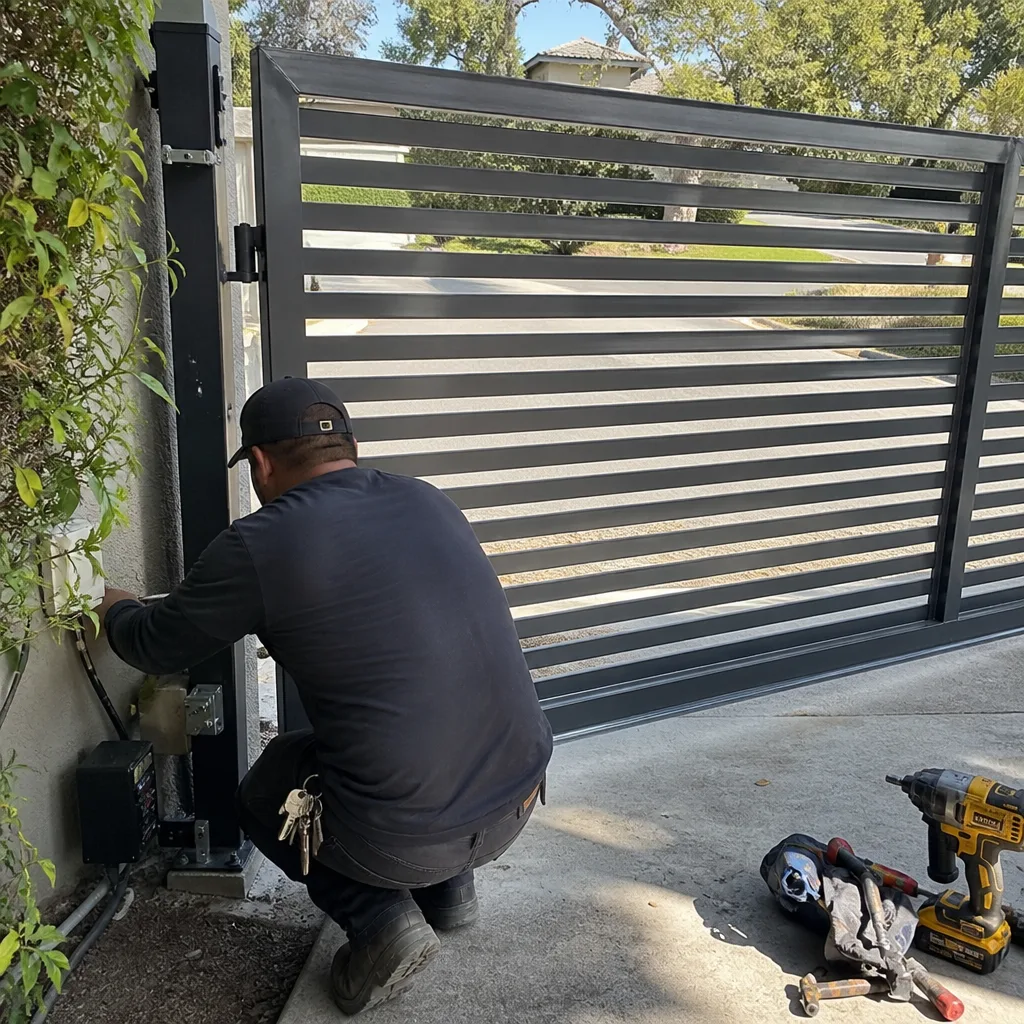 After
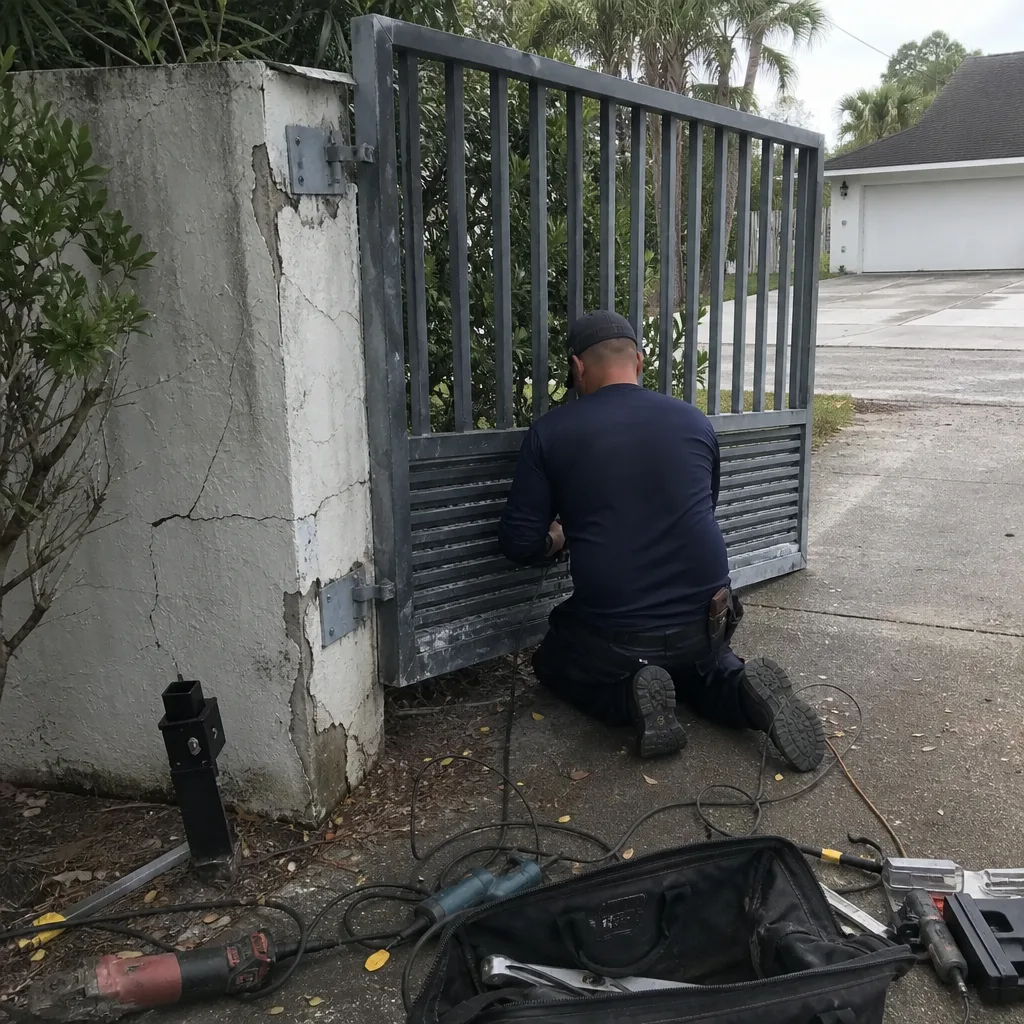 Before
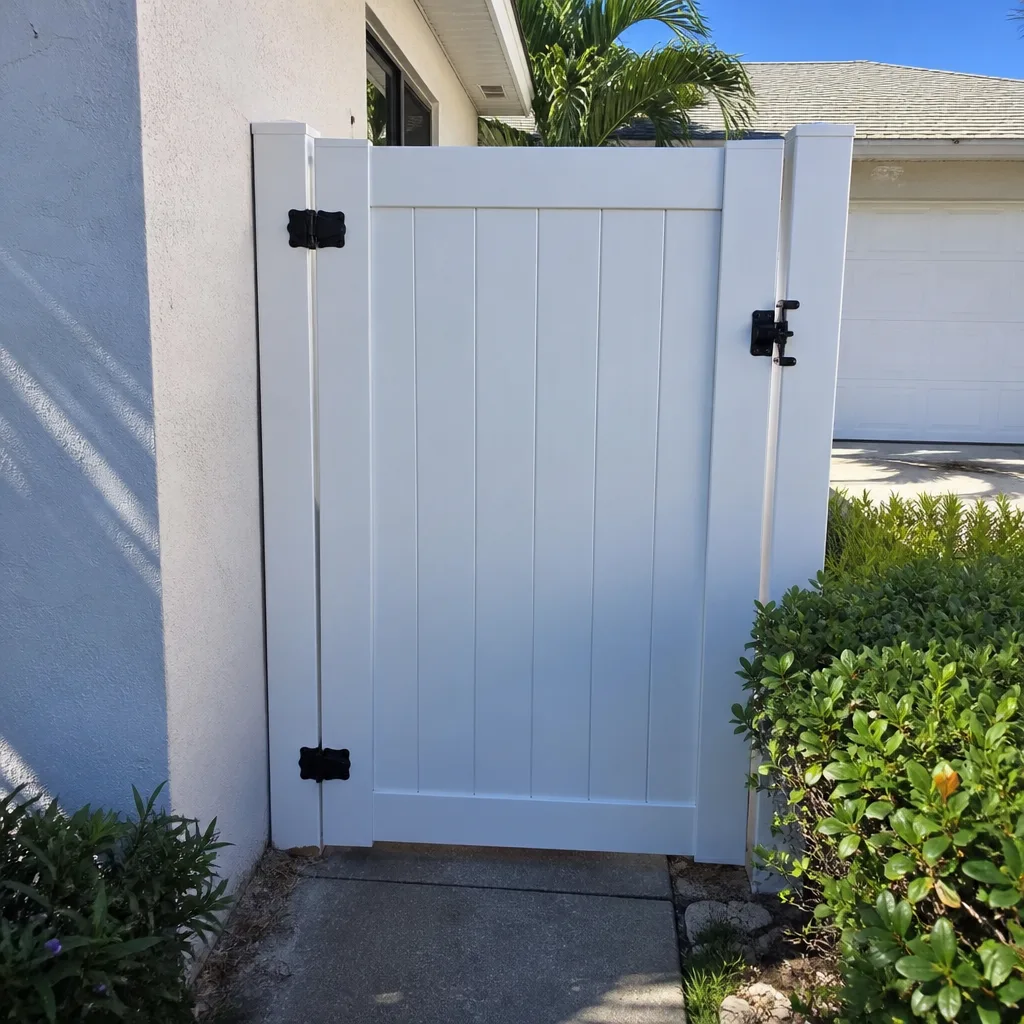 After
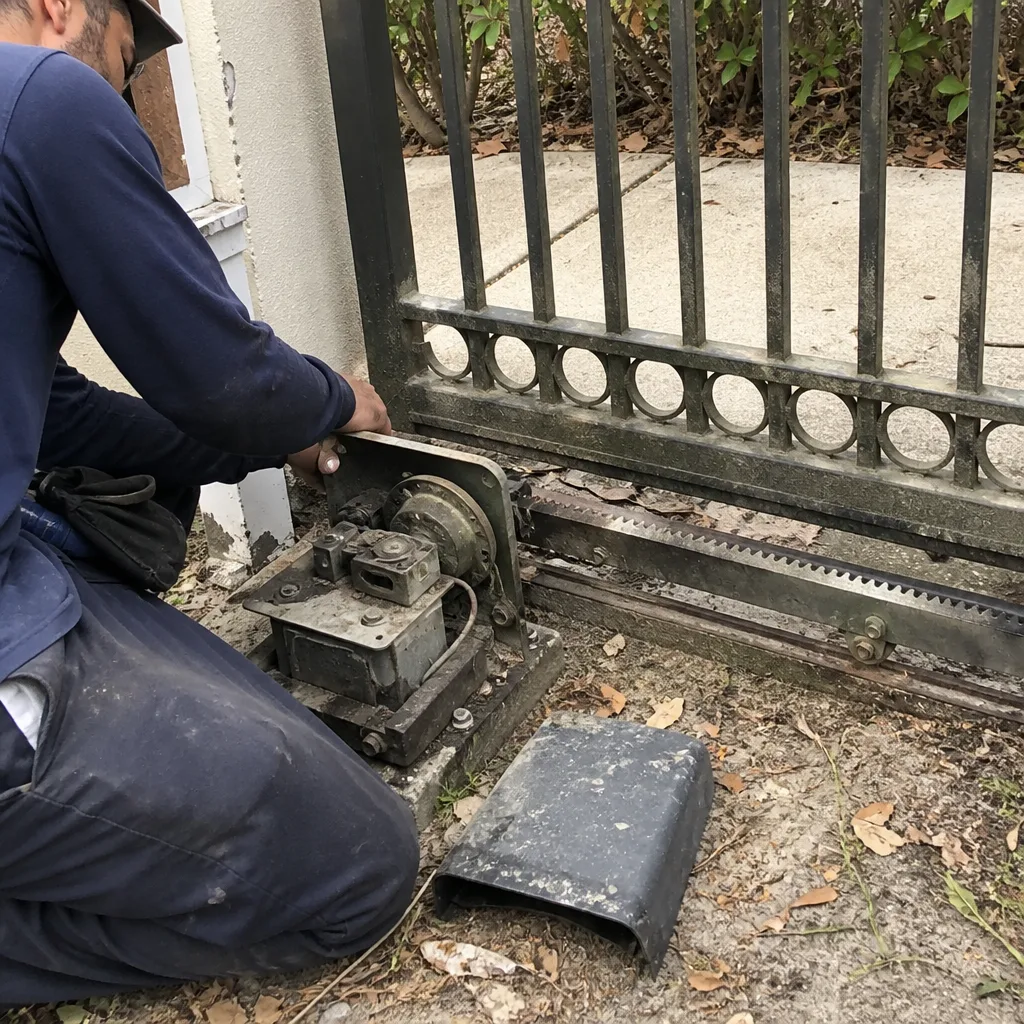 Before
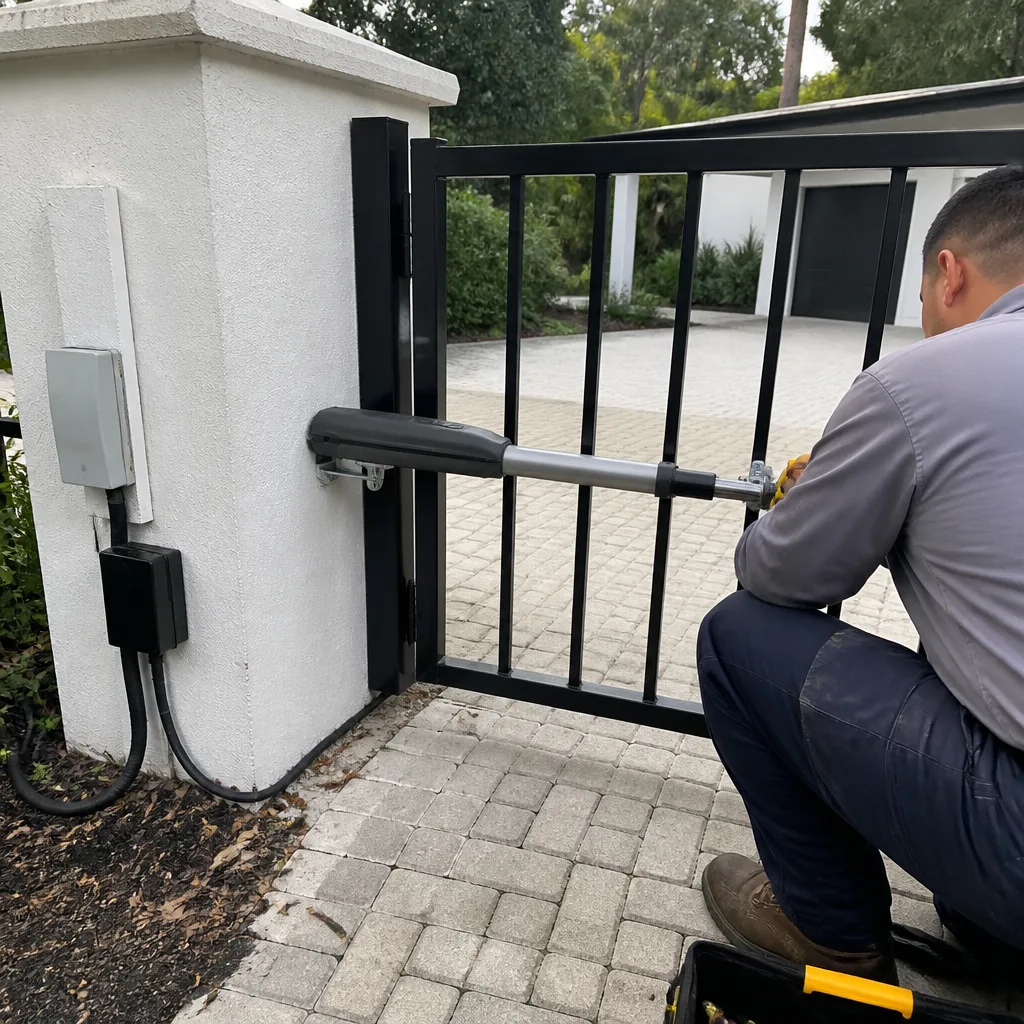 After