
Last updated October 31, 2026
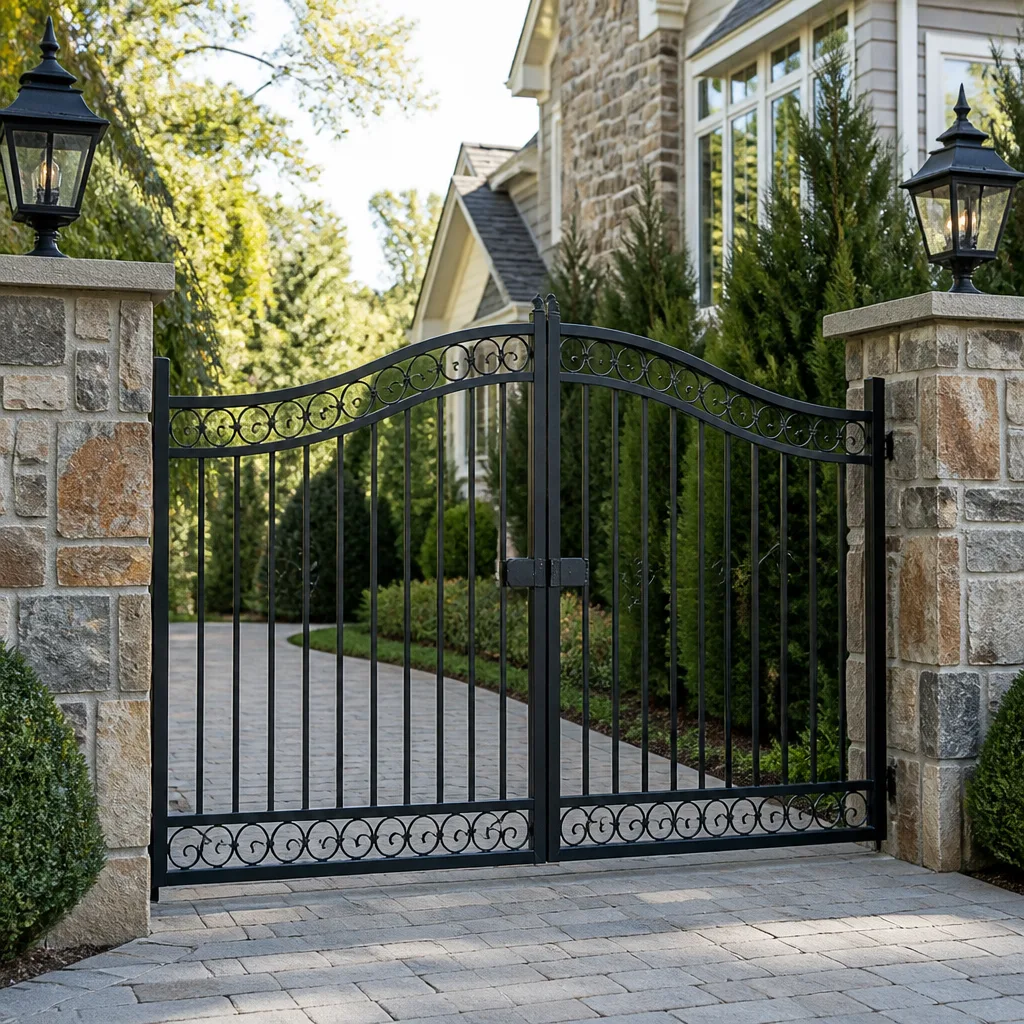 Wrought iron
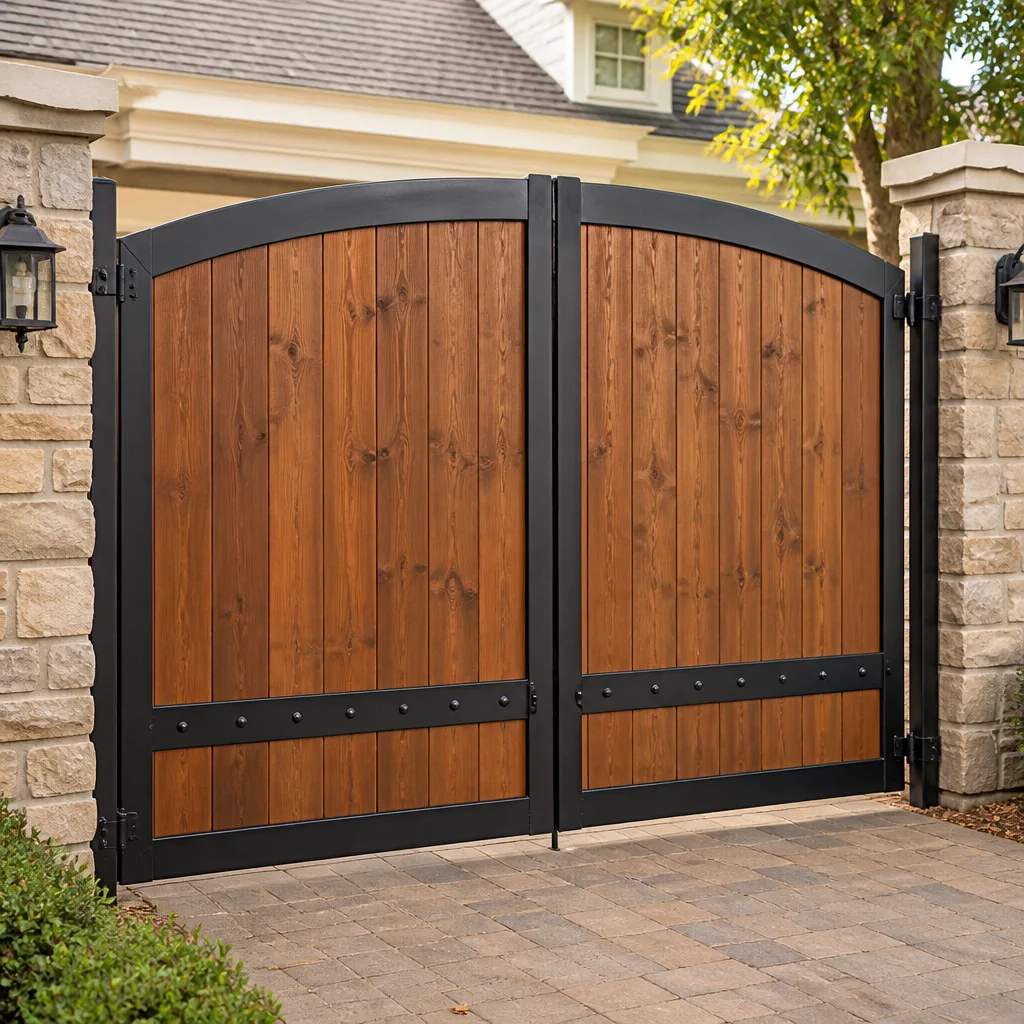 Wood & steel frame
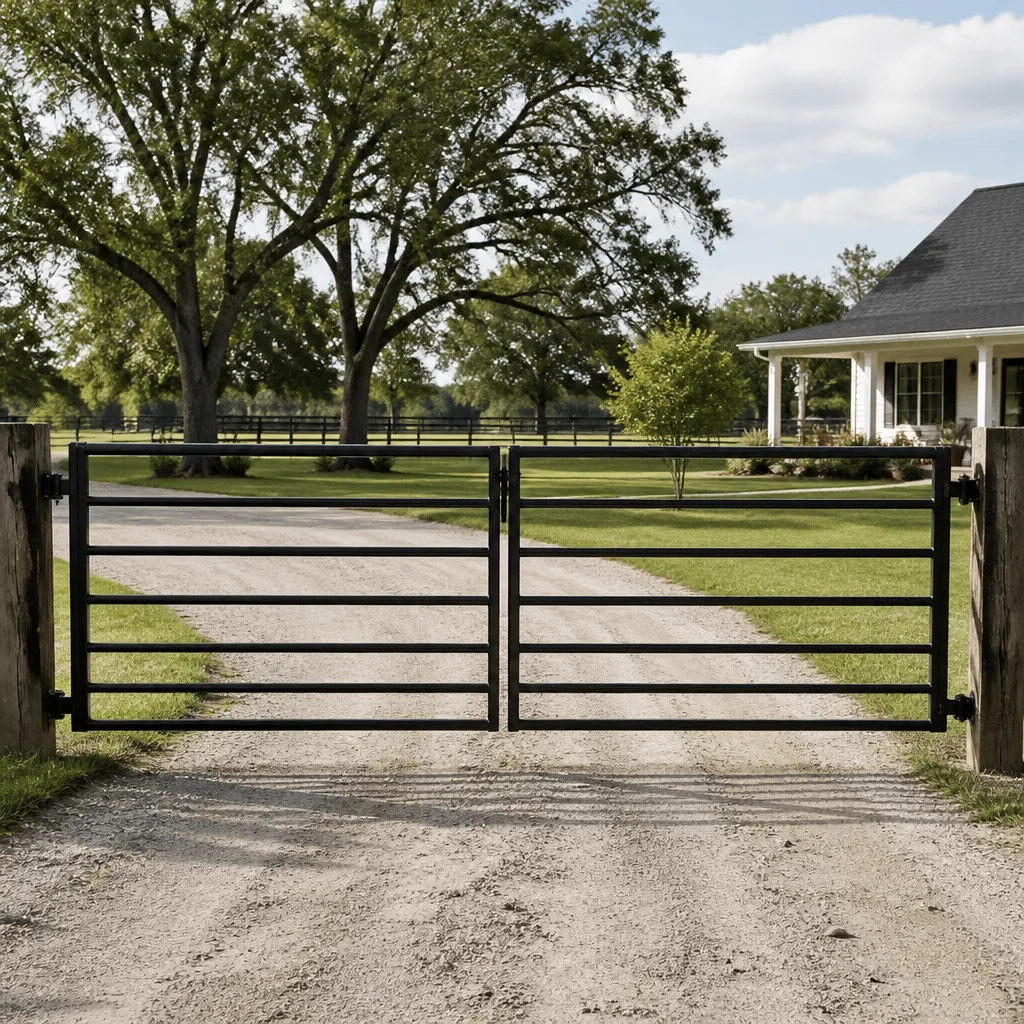 Farm & ranch
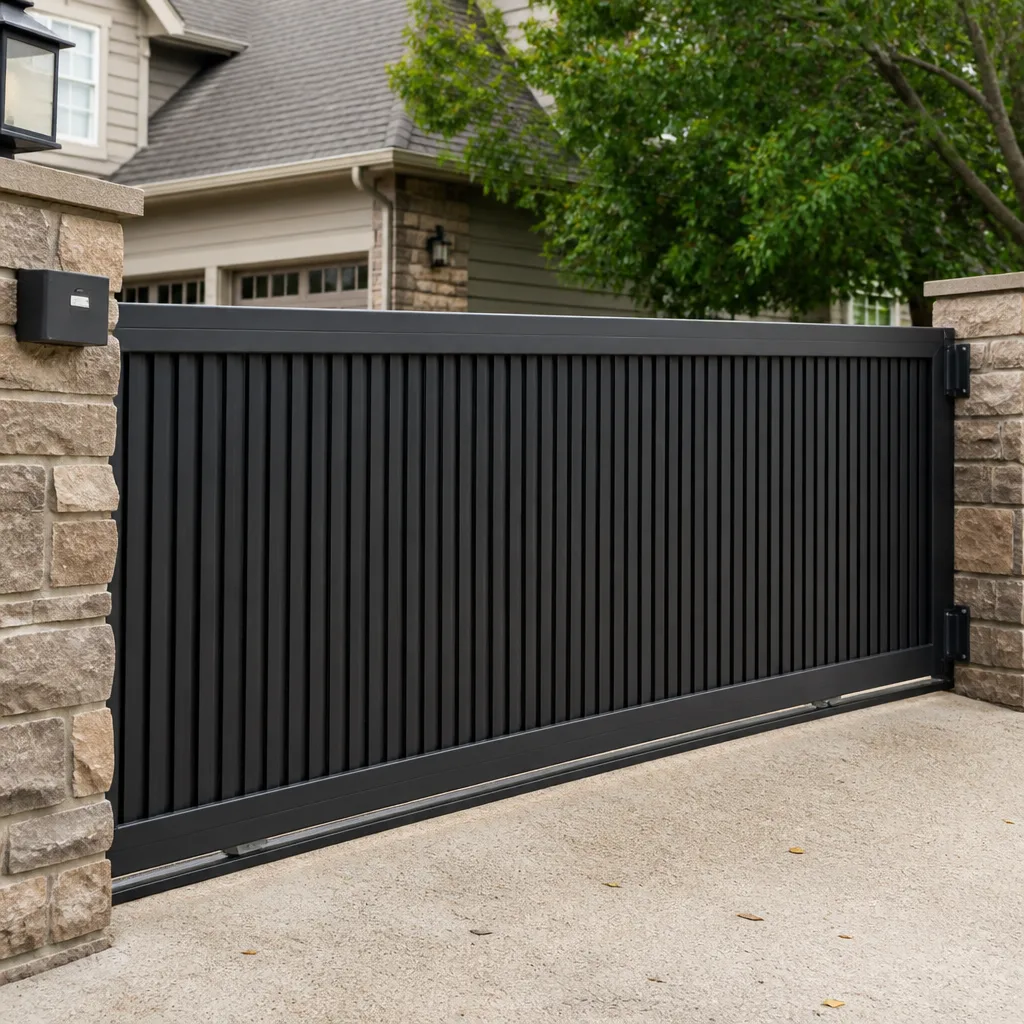 Sliding driveway gates
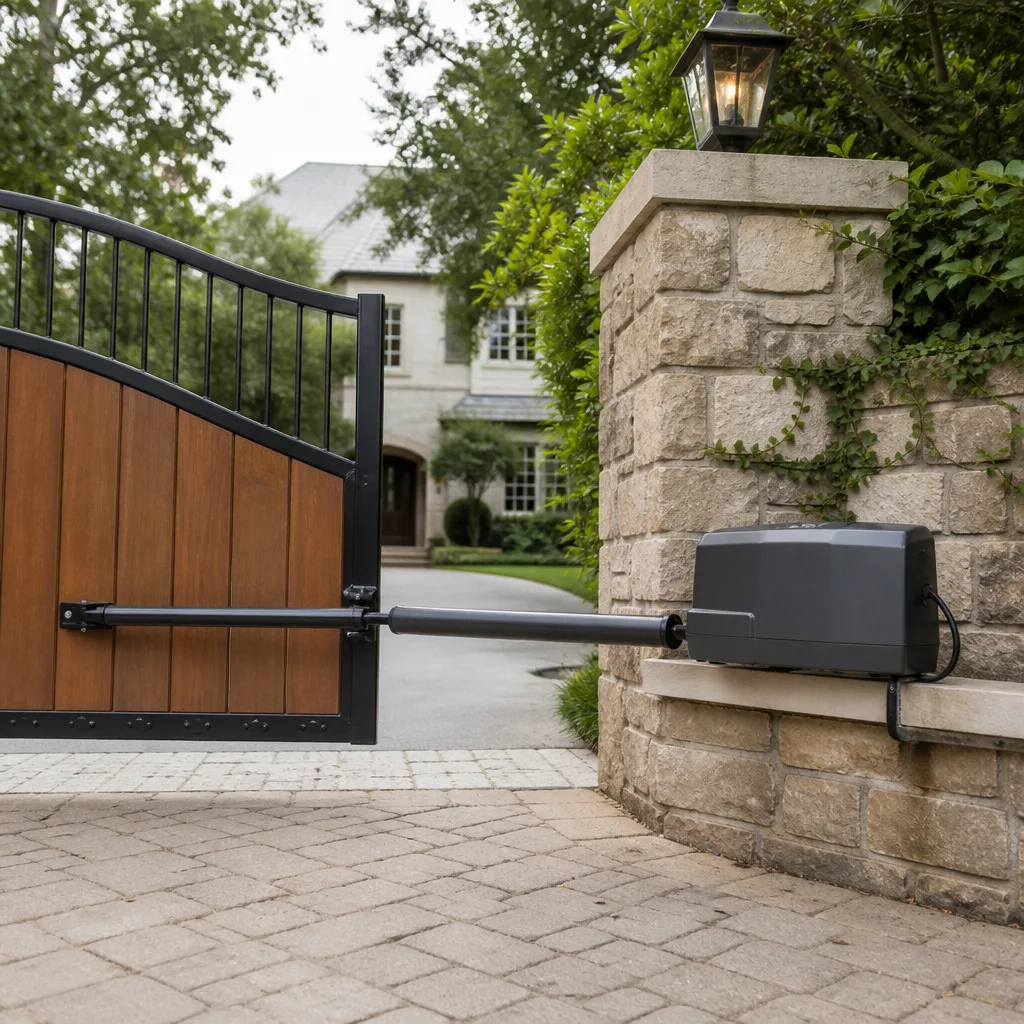 LiftMaster operators
Free on-site gate assessment - hinges, posts, and your LiftMaster or Nice gate operator checked before anything is quoted
The assessment is free and the quote is the invoice.
Get your free estimateGate Repair Cost Breakdown: The Tampa Homeowner’s Reference for 2026
Getting three quotes for gate repair in Tampa and picking the middle one is not a cost strategy. It’s a guess. A swing gate that won’t close all the way, a sliding gate that grinds to a stop, an intercom that buzzes but won’t release the latch: each of those failures has a completely different parts and labor profile. The quote that seems too high might be the only honest one. The quote that seems like a bargain might be a tech who doesn’t actually know what’s wrong and is lowballing to get the job, then discovering “additional issues” once the gate is apart. This guide—along with our Gate Repair Maintenance Checklist for Tampa Homeowners—gives you the real cost anatomy for the repairs Tampa gate specialists handle most, so you can evaluate a quote with confidence instead of crossing your fingers.
Quick Answer
Gate repair in Tampa typically costs between $250 and $950 for most residential jobs, with the majority of mechanical repairs (hinges, rollers, latches, manual hardware) landing between $250 and $550, and electrical repairs (circuit boards, operators, intercoms, loop detectors) running $450 to $1,800. Your final number depends on one thing more than any other: whether the problem is mechanical or electrical. Mechanical work is mostly labor. Electrical work is mostly parts and diagnosis time.
Styles & brands we work with
Table of Contents
- The Cost Anatomy: Why “Gate Repair” Has No Single Price
- Mechanical Repairs: Hinges, Rollers, Latches, and Hardware
- Electrical Repairs: Operators, Boards, and What Actually Fails
- Intercom and Access Control Work: The Quiet Cost Driver
- Labor Rates in Tampa: Mechanical vs. Electrical Diagnostic Work
- OEM vs. Aftermarket Parts: What Florida Climate Does to the Math
- Flat-Rate Repairs vs. Diagnostic-Visit Repairs: Know Which One You’re Quoting
- How to Use This Knowledge When You’re Hiring
The Cost Anatomy: Why “Gate Repair” Has No Single Price
“Gate repair” is not one job. It’s a category that spans everything from tightening a sagging hinge to replacing the main control board on a $6,000 automated slide gate. In Tampa, we see this confusion every day. A homeowner calls in asking for a ballpark number, and the first thing we have to explain is that the number changes completely depending on which of the following categories the problem falls into:
- Mechanical hardware: hinges, rollers, wheels, tracks, latches, locks, gate wheels, posts. These are the parts that physically move or hold the gate.
- Electric operators: the motor, the drive mechanism, limit switches that tell the gate when to stop. These fail from age, power surges, and the constant heat cycling of a Florida summer.
- Control boards and electronics: the circuit board that runs the operator, safety sensors, photo eyes. These are the “brain” of the system and the most misdiagnosed component in the industry.
- Access control: keypads, intercoms, remote receivers, vehicle loop detectors, telephone entry systems. These sit outside the gate itself but are the reason the gate doesn’t open when you try to get in.
- Structural issues: sagging posts, concrete settling, misalignment caused by Tampa’s shifting soil and wet-dry cycles. These affect everything above them.
Each category has a different parts cost, a different labor profile, and a different diagnostic requirement. Before we get into specific numbers, understand this: when a quote comes in dramatically below the ranges below, the contractor is usually not including something. Maybe they’re quoting aftermarket parts and you’ll hear OEM prices later. Maybe they’re quoting just the part, not the install. Or maybe they haven’t really diagnosed the problem and are quoting what they hope it costs. None of those scenarios ends well. Our gate repair in Tampa service starts with a real diagnosis, because we’d rather tell you the truth up front than surprise you later.
Mechanical Repairs: Hinges, Rollers, Latches, and Hardware
Mechanical repairs are the most predictable to quote and the most common on older manual gates. The parts are visible, the labor is straightforward, and a good technician can usually give you an accurate number over the phone or after one look at a photo. Here’s what Tampa homeowners actually pay for common mechanical work:
- Hinge replacement (single gate, standard duty): $250 – $450 total. Two or three hinges, hardware, and about an hour to an hour and a half of labor. Heavy ornamental steel gates with welded hinges run higher, $400 – $650, because removal and re-welding take longer.
- Roller replacement on a slide gate: $180 – $350 per roller, depending on weight rating. A four-roller sliding gate job typically runs $500 – $900 when done right, including track adjustment.
- Latch and lock replacement: $150 – $350. Keyed locks, magnetic locks, or mechanical latches all fall in this range for standard residential parts.
- Gate wheel replacement (on drop-rod or cantilever gates): $220 – $400 including the wheel and alignment.
- Post adjustment or re-setting: $350 – $800 depending on whether the post needs to be pulled, re-set in concrete, or shimmed and braced. This is the one mechanical repair where Tampa’s soil matters: our sandy, drainage-heavy ground causes more post settling than homeowners expect, and a post that’s moved a quarter inch can throw the entire gate out of alignment.
The good news with mechanical repairs: the price you’re quoted is usually the price you pay. There aren’t hidden electronic gremlins waiting behind a hinge. If a hinge is worn, you replace the hinge and the gate hangs straight again. The labor rate is a standard shop rate, and the job is done in one visit. The limiting factor is parts availability, and that’s where a gate specialist has an edge: we carry most common hardware on the truck, which means fewer return trips and less time billed for parts runs.
Electrical Repairs: Operators, Boards, and What Actually Fails
This is where diagnostic time becomes the biggest variable in your quote, and where generalist contractors lose their way. An electric gate that won’t open could be caused by a dead battery, a blown fuse, a failed limit switch, a bad transformer, a damaged wire underground, a control board that died from a power surge, or a motor that’s burned out from years of Tampa heat. Five of those seven causes are cheap to fix. Two are expensive. Guessing wrong is what produces a $1,400 bill for a problem that needed a $40 fuse, or worse, a $150 “tune-up” that doesn’t fix anything and you’re calling another company next week.
Realistic operator and board costs for residential systems in Tampa:
- Operator (motor) replacement for a residential swing gate: $650 – $1,800 installed, depending on brand and duty cycle. A Viking or DoorKing swing operator sits at the higher end. A residential-grade Linear or Ghost Controls operator runs the middle of that range.
- Operator replacement for a slide gate: $900 – $2,200 installed. Slide gates require higher torque, heavier duty parts, and more alignment work than swing gates.
- Control board replacement: $350 – $850. The board itself is often $200 – $500, plus diagnosis time and reprogramming. This is the component that power surges destroy most often, and it’s a part we replace regularly after Tampa’s lightning-heavy summer storms.
- Safety sensor (photo eye) replacement: $180 – $400 including the part and alignment.
- Limit switch replacement: $150 – $350. These little components tell the gate where to stop. They fail slowly: the gate starts stopping short, then doesn’t stop at all, then blows a fuse or burns a motor. Replacing them early is always cheaper than waiting.
One thing we’ll be direct about: electrical repair is where a specialist pays for itself. We’ve seen gates where the previous tech replaced the motor twice in three years, when the actual problem was a failing capacitor on the board sending dirty power to the motor and destroying it prematurely. A generalist sees a dead motor and replaces the motor. A specialist asks why a motor that should last ten years died in three. Our electric gate repair in Tampa service is built around that diagnostic-first approach, and it’s the reason we repair more systems than we replace.
Intercom and Access Control Work: The Quiet Cost Driver
When a Tampa homeowner says “my gate won’t open,” about a third of the time the problem isn’t the gate at all. It’s the intercom, the keypad, the remote receiver, or the buried vehicle loop detector under the driveway. Access control is its own trade within the gate trade, and it has its own cost structure:
- Keypad replacement (residential grade): $250 – $600 installed. Commercial keypads with heavier duty enclosures run $500 – $1,200.
- Intercom or telephone entry system repair: $200 – $800 for component-level work on an existing system. If the system is old enough that parts are no longer manufactured, you’re looking at a full replacement conversation, which starts around $1,500 for basic residential intercoms and goes up from there.
- Loop detector replacement: $300 – $700. The detector itself is $150 – $400, plus the labor to locate, cut, and splice the loop wire. The wire is buried in your driveway. That’s why it’s not a $100 job.
- Remote receiver replacement: $200 – $500 including new remotes and programming.
Access control work frequently follows a different pattern than gate work: the symptoms are “the gate doesn’t listen,” but the fix is in a component that’s mounted on a wall or buried in the ground. That’s why a technician who only knows the gate itself will chase the problem in circles. A company that works on DoorKing gates, Viking operators, and Linear access systems, and knows the control boards, safety loops, keypads, and intercoms all together, can trace the failure to its actual source instead of guessing.
Labor Rates in Tampa: Mechanical vs. Electrical Diagnostic Work
Tampa gate companies bill labor in two very different ways depending on the work. Knowing the difference will save you from a quote that looks wrong but isn’t.
Mechanical labor is typically billed at a flat shop rate of $75 to $125 per hour, and the work is predictable. Hinge replacement takes an hour to an hour and a half. Roller replacement might take two hours. The technician can look at the gate and quote the job accurately before starting.
Electrical diagnostic labor is different. The technician might spend 45 minutes just finding the problem before any repair work begins. That diagnostic time is real labor with real value, and the best shops charge for it at a higher rate, $95 to $150 per hour. Why more? Because electrical troubleshooting requires a fundamentally different skill set. A technician who can trace a control board circuit, understand a wiring diagram, and isolate a fault in a safety loop is not the same person as a technician who can swap a hinge. You’re paying for the ability to find the problem without replacing parts at random until something works.
Here’s the counterintuitive part we tell Tampa homeowners all the time: electrical work often costs more per hour even though it takes less total time. A skilled tech might diagnose and fix a limit switch in 45 minutes. A less experienced tech might spend four hours replacing parts one by one and still not fix it. The first tech’s bill is smaller in total. The second tech’s hourly rate looks cheaper and costs you more. When you’re comparing quotes, ask specifically: “How is diagnostic time billed, and what happens if the first fix doesn’t solve the problem?” The answer tells you more than the number on the quote.
OEM vs. Aftermarket Parts: What Florida Climate Does to the Math
Every gate part you buy falls into one of two categories: OEM (original equipment manufacturer: the part made by the company that built your system) or aftermarket (a compatible part made by a third party). Tampa’s climate makes the choice matter more than it does in, say, Ohio.
OEM parts typically cost 30% to 80% more than their aftermarket equivalents. A Ghost Controls control board, for example, might cost $380 as an OEM part and $190 as an aftermarket equivalent. A DoorKing limit switch might be $60 OEM and $25 aftermarket. When the aftermarket part is a simple mechanical component, a roller or a bracket, the savings are usually worth taking. Steel is steel, and a well-made aftermarket hinge will last as long as the OEM version.
But when the part is electronic, the math changes, and Florida humidity and lightning make it change faster. Here’s what we’ve observed in years of Tampa gate repair:
- Aftermarket control boards often use thinner conformal coating (the protective layer that seals electronics against moisture). In Tampa’s humidity and afternoon thunderstorms, that thinner coating means earlier failures. We’ve replaced aftermarket boards that died in 18 months next to OEM boards that had been running for six years.
- Aftermarket motors sometimes use lighter-gauge copper windings. They work fine, until a power fluctuation from a lightning strike or a dip from the utility grid causes a spike that the heavier OEM winding shrugs off and the lighter aftermarket winding doesn’t.
- Aftermarket safety sensors work, but their alignment tolerances are often looser, which means more false trips and more times the gate reverses for no reason.
Our recommendation is not “always buy OEM.” It’s this: for mechanical parts, a quality aftermarket equivalent is fine. For electronic parts, buy OEM, especially on the control board and the motor. The $190 you save on an aftermarket board disappears instantly when the gate fails three months later and you’re paying another diagnostic fee and another install. If a quote comes in far below a competitor’s and you can’t see why, ask one question: “Is that with OEM or aftermarket parts?” The answer is usually the difference.
Flat-Rate Repairs vs. Diagnostic-Visit Repairs: Know Which One You’re Quoting
Here’s a framework that will immediately make you a smarter buyer of gate repair in Tampa. Some repairs have a flat rate. Some repairs require a diagnostic visit before any honest estimate is possible. Knowing which category your problem falls into tells you what to expect from the quoting process.
Flat-rate repairs are jobs where the problem is visible and the fix is standard:
- Hinge replacement – the old hinge is worn, the fix is replacement, and the cost is predictable from the part weight and size.
- Roller replacement on a slide gate – same logic; the roller is visible, the weight of the gate is known, the fix is standard.
- Latch and lock replacement – the part comes off, a new one goes on, the price is known.
- Gate wheel replacement – visible, mechanical, standard.
For these, a company that knows what they’re doing can give you an accurate number.
Diagnostic-visit repairs are jobs where the symptom is clear but the cause is not:
- “The gate won’t open” – could be board, motor, limit switch, power supply, remote, loop detector, or any of a dozen other things. No honest technician quotes this without seeing it.
- “The gate opens halfway and stops” – could be a limit switch, a broken gear, a misaligned track, or a binding hinge. Diagnosis required.
- “The keypad stopped working” – could be the keypad itself, the wire running to it, the board it connects to, or the power supply. Diagnosis required.
- “The gate closes on cars” – could be a failed safety sensor, a bad loop detector, or a board issue. This one is a safety problem and needs attention fast.
When a company gives you a firm quote for a diagnostic-visit repair without seeing the gate, that’s a red flag. They’re either guessing, or they’re quoting the worst-case scenario to protect themselves. Neither is a quote you want. The honest answer is: “We need to see it. The diagnostic fee is X, and here’s what happens if you proceed with the repair.” A company that works on gate systems specifically can do this efficiently, because they recognize the system on sight and usually diagnose the problem in one visit rather than two or three.
How to Use This Knowledge When You’re Hiring
You now know more about gate repair pricing than most people who are about to call a gate company. For more guides & resources, explore our blog. Here’s how to use it in practice:
- Identify the category before you call. Mechanical or electrical? Visible problem or mysterious symptom? If you can describe it clearly, a good company can give you an accurate range before they arrive.
- Ask the OEM/aftermarket question on any electronic part. The answer should be immediate and specific. If the tech hesitates, get a different tech.
- Ask how diagnostic time is billed. This question alone signals that you know what you’re doing, and the answer will tell you whether the company’s pricing is honest.
- Be suspicious of any quote that comes in dramatically below the ranges in this guide. Gate repair has real parts costs and real labor. A $150 quote for a job this guide says should cost $500 almost always means the quote is incomplete, the parts are low-quality, or the tech hasn’t actually found the problem yet.
- Ask what happens if the first repair doesn’t fix it. A confident specialist will say they’ll keep working until the gate is right, and they’ll explain their policy on re-diagnosis. A generalist will get vague.
We’ve built Tampa Gate Company as a gate-only specialist because this work rewards focus. When every technician on staff works on gates every day, across every major brand from Viking to Linear to Ghost Controls to DoorKing, the diagnosis comes faster, the right parts are in the truck, and the repair actually lasts. That’s not marketing language. It’s the observable difference between a shop that does this full-time and one that fits gate calls between water heater replacements.
Common Mistakes to Avoid
- Choosing the middle quote by default. The middle quote is not automatically the right one. If the lowest quote is lowballing to get the job and the highest quote is padding for unknowns, the middle quote might be the only accurate one, or it might be splitting the difference between wrong and wrong. Use the cost anatomy in this guide to evaluate each quote on its own terms.
- Accepting a quote for electrical work without a diagnostic visit. If a company gives you a firm price for “gate won’t open” without seeing the gate, they’re guessing. Guessing means you pay for their guesses.
- Buying aftermarket electronics to save money. The savings disappear the first time a Florida thunderstorm rolls through and the cheap board fails. On electronic parts, buy OEM.
- Ignoring a gate that’s getting slower or noisier. A gate that’s binding on its hinges doesn’t get better. It gets worse, and the motor works harder every cycle until it burns out. The $350 hinge job becomes an $1,100 hinge-and-motor job. Addressing mechanical wear early is the single biggest money-saver in gate ownership.
- Replacing parts without understanding why the part failed. If a motor burns out, replacing the motor without finding out what caused the burnout is a temporary fix. Sometimes the cause is age, and that’s fine. Sometimes it’s a failing board or a bind in the gate, and you’ll be replacing that motor again in two years.
- Using a generalist for complex electrical work. Gate automation has its own logic, its own safety standards, and its own failure modes. A general contractor who can replace a kitchen faucet beautifully is not the right person to diagnose a control board. The gate trade exists as its own specialty for a reason.
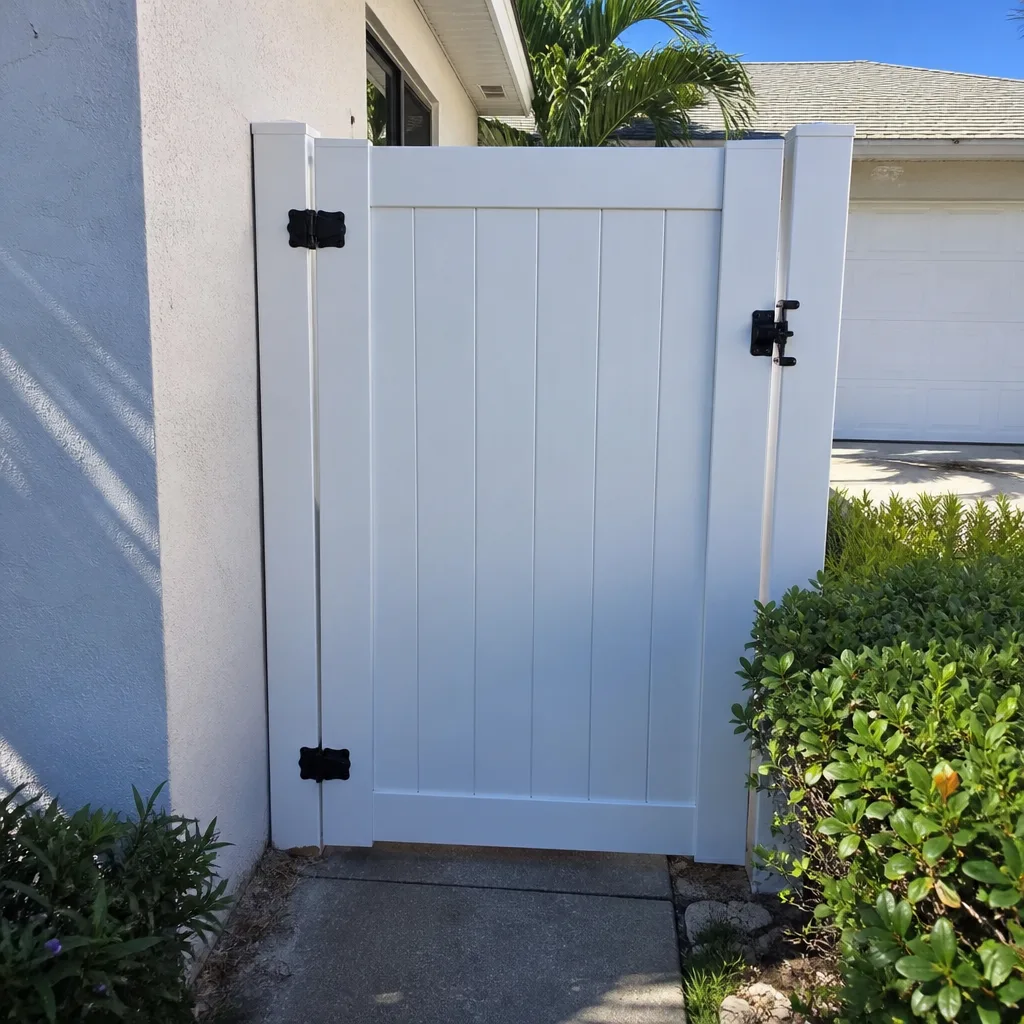
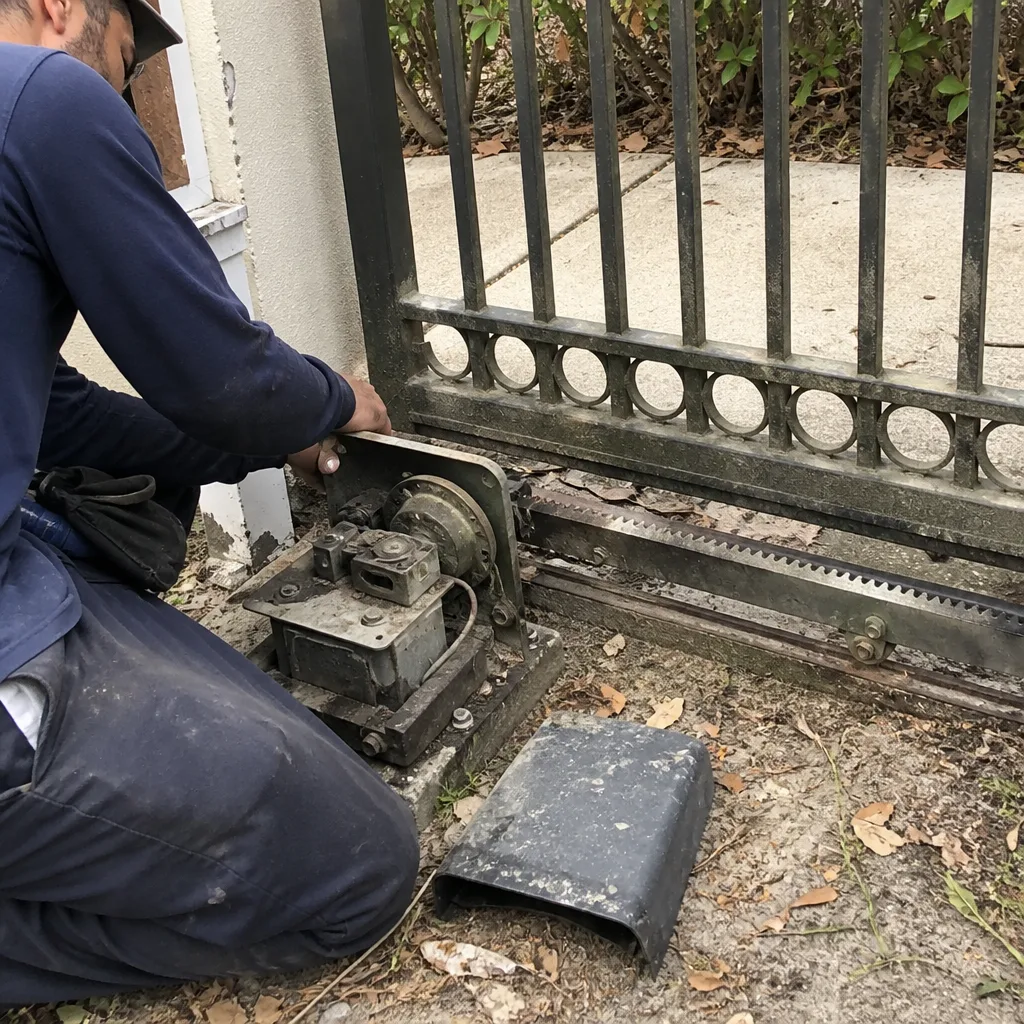
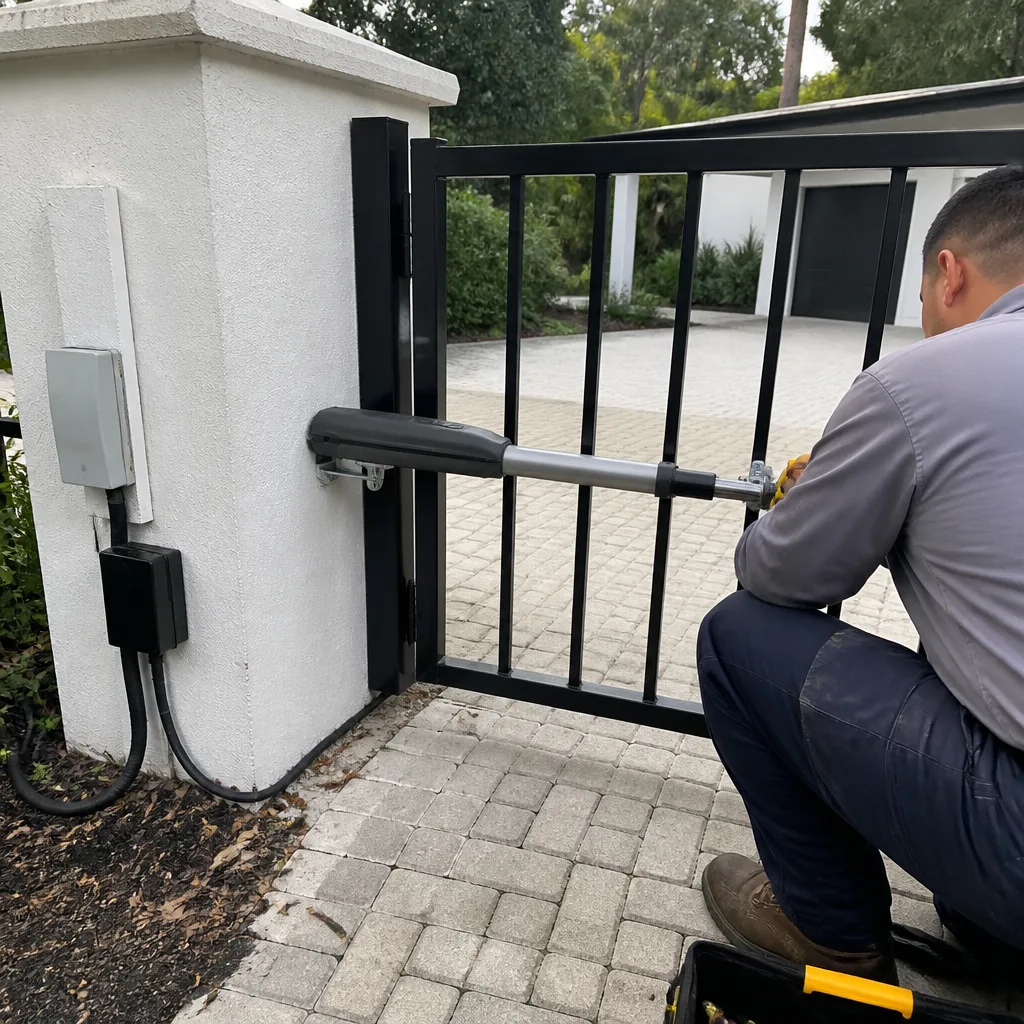
See the difference
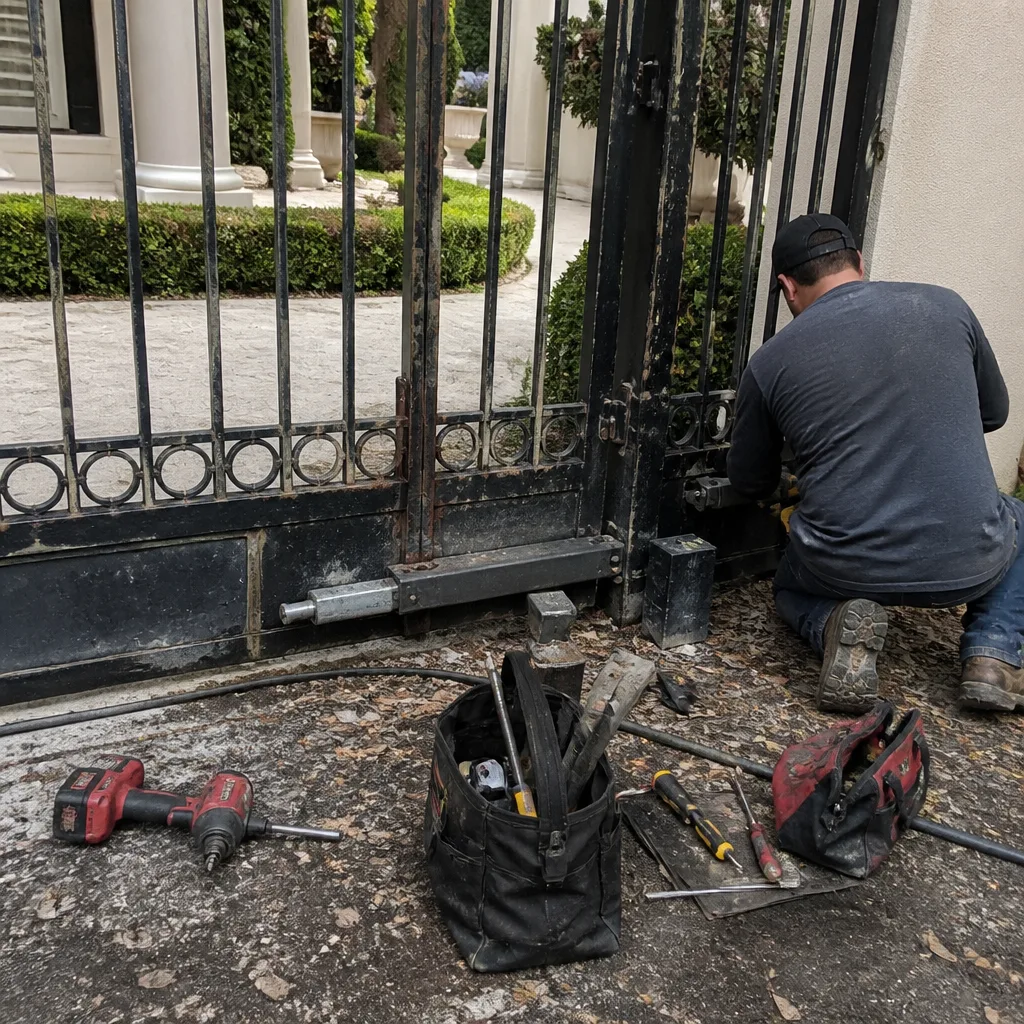 Before
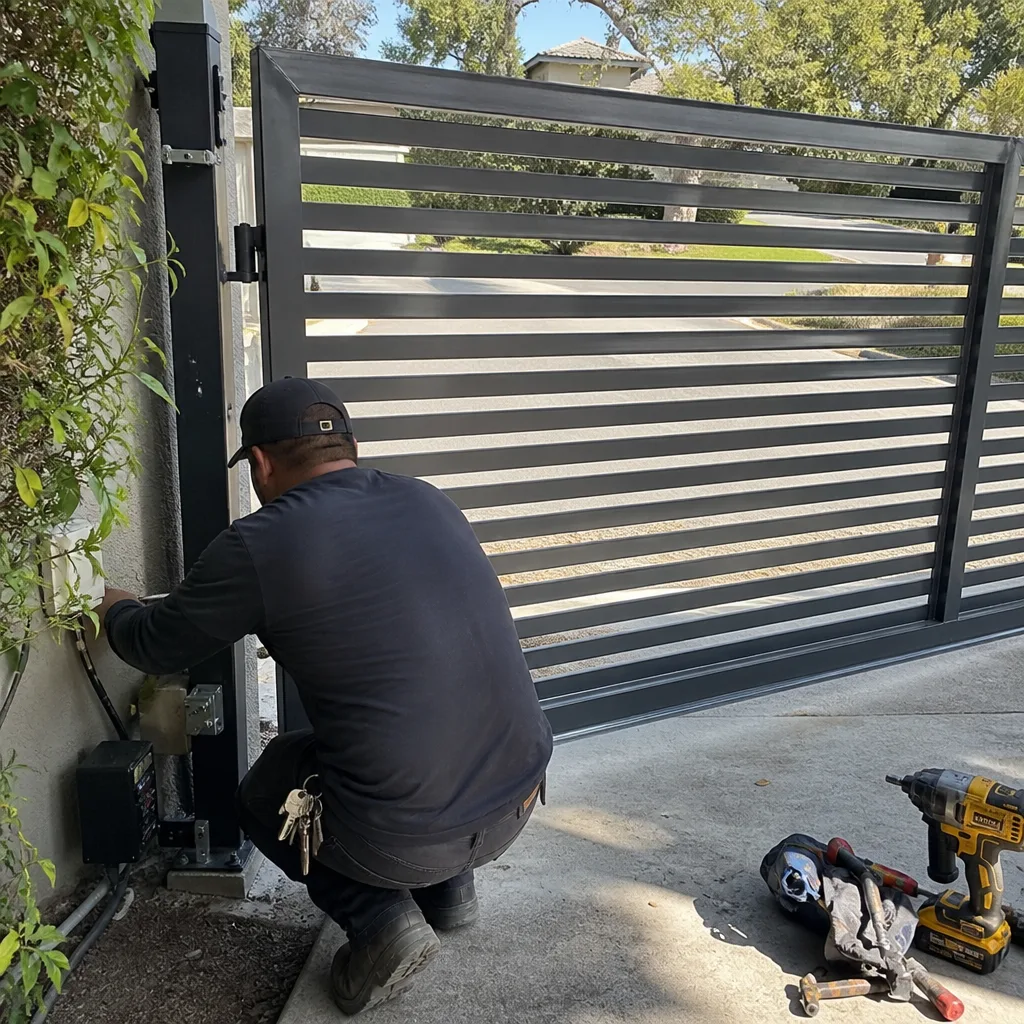 After
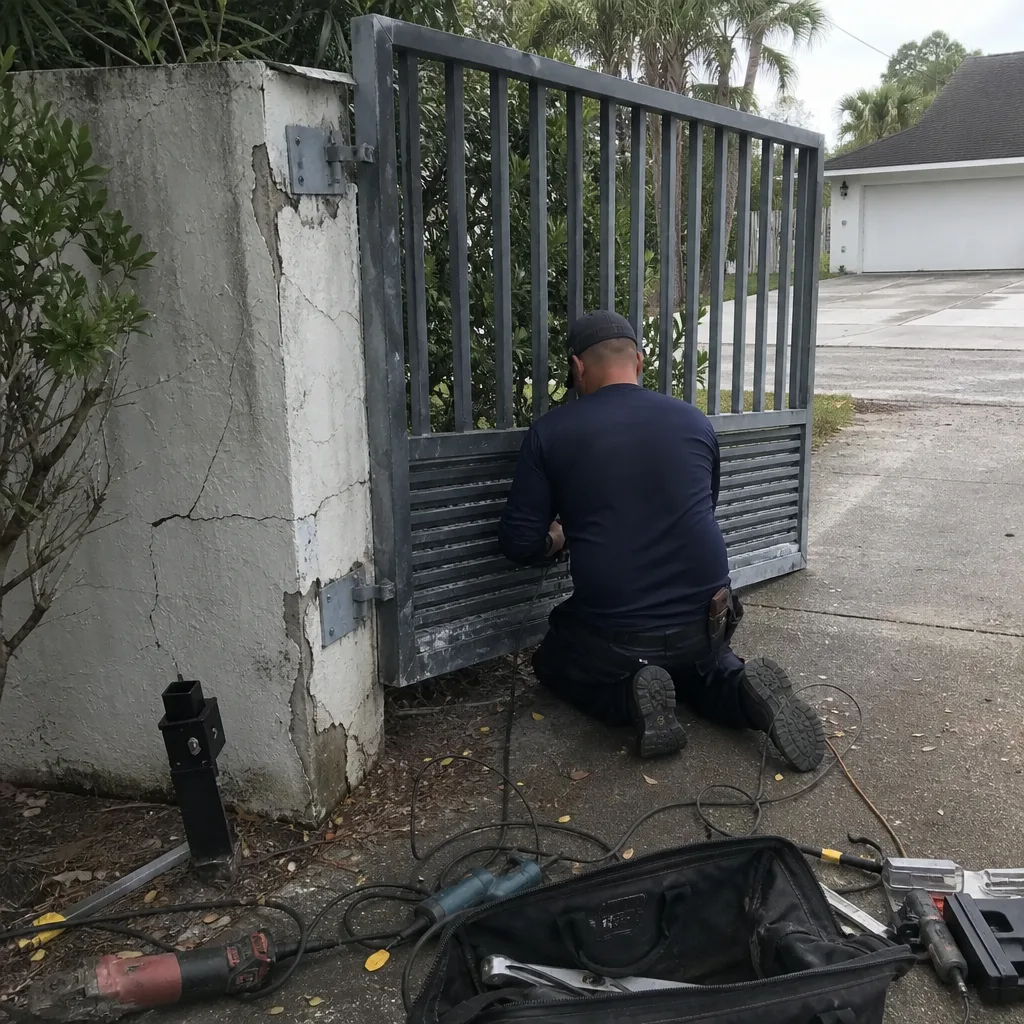 Before
 After
 Before
 After
When to Call a Professional
Some gate problems are safe to watch and wait. Others are not. Call a professional this week, or today, if any of these apply: the gate won’t stay closed or won’t fully open, leaving your property unsecured; the gate reverses direction randomly, especially if it’s closing on vehicles or people; the operator is making grinding or hammering sounds; the keypad or intercom is intermittent; or you’ve noticed the gate is visibly sagging or dragging on the ground. A gate that’s failing is a security problem first and an access problem second, and both get worse while you wait. Tampa Gate Company offers gate installation in Tampa as well as repair, so if your diagnosis conversation reveals that replacement is the smarter financial call, the same team that did the diagnosis can quote the new system without starting from scratch. Call (866) 976-0095 for a free estimate, and you’ll get a real diagnosis from a gate specialist, not a guess from a generalist.
Frequently Asked Questions
Most gate repairs in Tampa cost between $250 and $950, with mechanical repairs like hinges and rollers running $250 – $550 and electrical repairs like operators and control boards running $450 – $1,800. The range is broad because “gate repair” describes many different jobs with different parts and labor profiles. Call (866) 976-0095 for a free estimate on your specific system.
Many mechanical repairs can be completed the same day or the day after a call, since the parts are standard and the diagnosis is straightforward. Electrical repairs often start with a diagnostic visit, and depending on the part required, the full repair may take one to three business days if a board or motor needs to be ordered. Tampa Gate Company carries the most common parts for major brands on the truck, which shortens the timeline on many jobs.
For most single-component failures, repair is significantly less expensive than replacement. A typical gate repair runs $250 – $950, while a new automated gate system in Tampa typically starts around $4,000 – $8,000 installed. Replacement makes financial sense when the gate itself is structurally failing, when the operator is more than 15 years old and parts are obsolete, or when multiple components have failed in a short period.
Tampa Gate Company handles both, and our Gate Repair services cover electric and automated gate systems including control boards, safety loops, keypads, and intercoms, plus manual gate hardware like hinges, roller assemblies, and latches. That full-system capability means the diagnosis covers the entire system, not just the part of it that’s easiest to reach.
A residential operator or motor replacement in Tampa typically costs $650 to $1,800 installed depending on the brand and whether the gate is a swing or slide configuration. Slide gate operators run higher than swing gate operators because they require heavier-duty components and more alignment work. The motor itself is usually $400 – $1,200 of that total.
We diagnose and repair systems from the brands most commonly installed across Tampa and the surrounding area, with specific depth of experience on Viking, Ghost Controls, DoorKing, and Linear, among others. If you’re not sure what brand your gate is, that’s fine. A technician can identify it on the first visit. Call (866) 976-0095 to schedule a diagnostic.
The Bottom Line
Gate repair in Tampa isn’t one job with one price. It’s a spectrum of work, from $250 hinge replacements to $1,800 operator swaps, and the difference between a fair quote and a bad one usually comes down to diagnosis quality, parts choice, and whether the company actually understands the system they’re working on. The most useful thing you can do with this guide is use it as a framework: identify the category of your problem, ask about OEM parts and diagnostic billing, and hold every quote to the ranges here. When the numbers don’t match what you’ve read, ask why. A gate-only specialist will give you a clear answer. That’s the company worth hiring.
Written by the team at Tampa Gate Company, serving Tampa since 2013.